

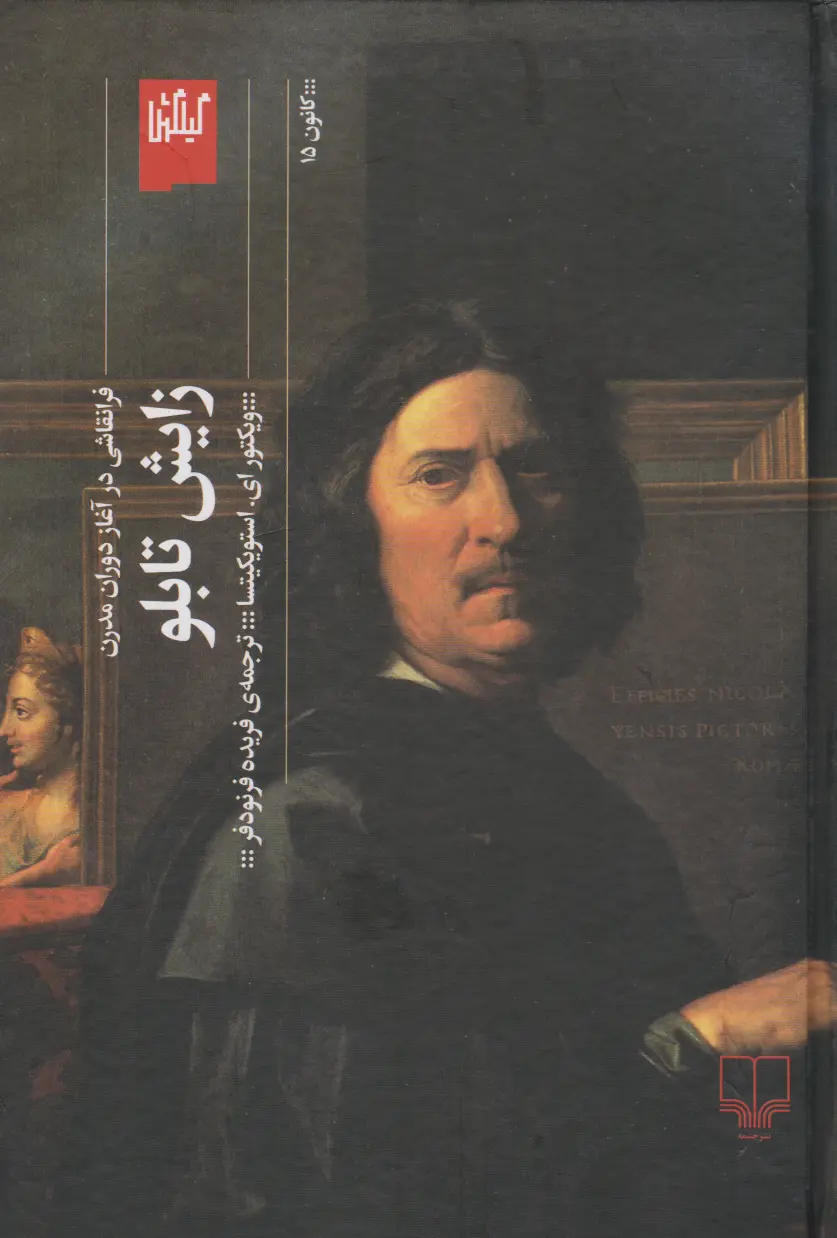
Zāyesh-i Tāblū: Farnāqāshī dar Āghāz-i Daurān-i Modern Persiska (Farsi) 2025
زایش تابلو: فرانقاشی در آغاز دوران مدرن
23,93 $

Dela
Wishlist
Originaltitel:
L'instauration du tableau
ISBN:
9786227858099
Översättare:
Farīdah Farnūdfar
Förlag:
Gilgāmish
Åldersgrupp:
Vuxen
Sidor:
630
Vikt:
900 g
Produktmått:
14 x 21 x 4 cm
Bokomslag:
Inbunden
Over the years, art history has largely devoted itself to the praise of Italian art, particularly Florentine art. Certainly, there is no doubt about the validity of this admiration, and a distinguished historian like Frederick Hartt has meticulously composed his monumental History of Renaissance Art in Italy, demonstrating how devout artists and craftsmen, faithful to both art and the Christian faith, shaped a significant portion of our understanding of art and the world. Yet, one crucial point should not be overlooked: the golden moment of “painting as painting” occurred in a different geography.
That pivotal event, which liberated painting from liturgical confines and the monopoly of walls and ceilings and asserted the primacy of “painting itself,” took place in Flanders, far from the artistic civilization of Renaissance Italy. There, painting transformed from being tied to a location and ritual into painting in the sense of the “panel” or the autonomous artwork. By transcending the enchantments of the premodern world, it endowed Western painting and art with an identity that forever bifurcated the course of art history.
The book The Birth of the Panel: Flemish Painting at the Dawn of the Modern Era by Victor A. Stoichita, a Romanian art historian and researcher, analytically examines the series of events and developments that returned painting to painting and radically transformed art in the late Renaissance. With its exceptional chapter structuring, Stoichita traces movements across multiple layers of European history in the sixteenth and seventeenth centuries, utilizing documents, letters, writings of prominent philosophers and thinkers of the period, and, of course, the paintings themselves. The work problematizes art history and reconfigures it in a way that provides continual delight to any true lover of art.
more
تاریخ هنر طی سالیان متمادی مشغول ستایش هنر ایتالیایی و به خاصه هنر فلورانسی بوده است. البته که در درستی و صحت این ستایش هیچ شک و شبههای وجود ندارد و تاریخنگار برجستهای چون فردریک هارت بهخوبی با جزیینگری کتاب سترگ «تاریخ هنر رنسانس در ایتالیا» را تألیف کرده که نشان میدهد چگونه آن هنرمندان/ صنعتگران مومن به هنر و ایمان مسیحی، بخش بزرگی از فهم ما از هنر و جهان را شکل دادند، اما یک نکتهی اساسی را نباید از نظر دور داشت که لحظهی طلایی رخداد «نقاشی به مثابهی نقاشی» در جغرافیای دیگری ممکن شده بود. آن اتفاق بزرگی که نقاشی را از آیینها و انحصار دیوارها و سقفها جدا کرد و بر سر «نقاشی»بودن ایستاد، در فلاندر و در کلیت خودش جایی دورتر از تمدن هنری ایتالیای رنسانس شکل گرفت. جایی که نقاشی متعلق به یک مکان و یک آیین به نقاشی در معنای «تابلو» بدل شد و با گذر از حصار افسون جهان پیشامدرن، به نقاشی و هنر غرب هویتی داد که تاریخ هنر را برای همیشه دو شقه کرد. کتاب «زایش تابلو: فرانقاشی در آغاز دوران مدرن» تاریخنگاری تحلیلی «ویکتور ای. استویکیتسا»، مورخ و پژوهشگر هنر اهل رومانیست که دست بر آن مجموعهی وقایع و ماجراهایی گذاشته که نقاشی را به نقاشی بازگردانده و هنر را در رنسانس متأخر به کلی متحول کردند. زایش تابلو با فصلبندی بینظیرش و حرکتی که در لایههای مختلف تاریخ اروپا در قرون شانزده و هفده انجام میدهد و همچنین با استفاده از اسناد، نامهها، نوشتههای فیلسوفان و متفکران برجستهی آن دوران و البته خود نقاشیها، تاریخ هنر را پرابلماتیک کرده و بهگونهای از نو مفصلبندی میکند که خواندنش عیش مدام هر علاقهمند واقعی هنر است.
more