

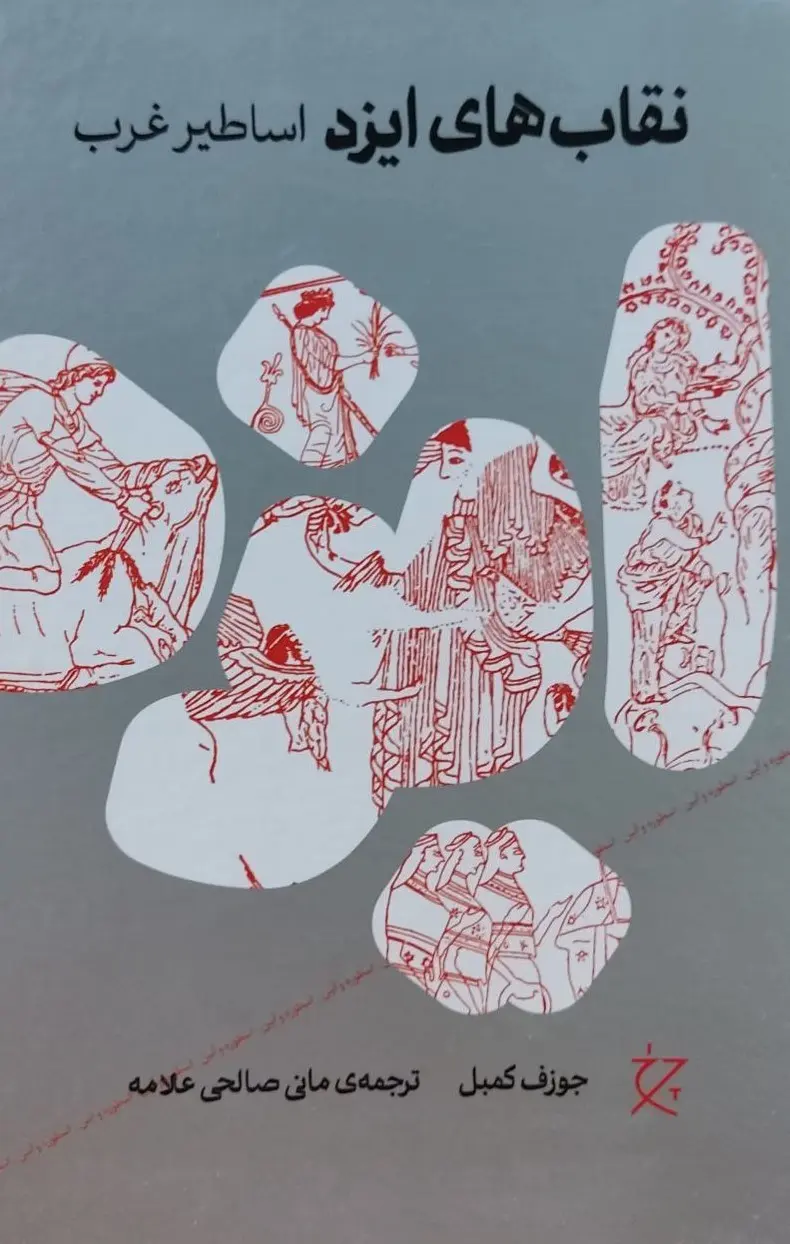
Neqāb-hā-yi Īzad: Asātīr-i Gharb Persiska (Farsi) 2025
نقابهای ایزد: اساطیر غرب
32,59 $

Dela
Wishlist
Originaltitel:
The Masks of God
ISBN:
9786225250840
Översättare:
Mānī Sāliḥī ʻAllāmah
Förlag:
Charkh
Åldersgrupp:
Vuxen
Sidor:
586
Vikt:
850 g
Produktmått:
14 x 21 x 4 cm
Bokomslag:
Inbunden
“The Masks of God” is the first volume of Joseph Campbell’s ambitious four-part series, examining common themes and symbols in the myths of various cultures. In this work, Campbell, a leading scholar of mythology and comparative religion, explores the earliest forms of myth-making and traces how primitive societies explained their world through stories, rituals, and symbolism. With his extensive knowledge and insight, Campbell examines the psychological, sociological, and cosmological functions of early myths, laying the foundation for understanding mythology as a universal language that evolves alongside human experience.
Campbell begins by exploring mythic thought in prehistoric societies, using archaeological and anthropological evidence to reconstruct how early humans perceived life, death, nature, and the cosmos. He discusses the importance of fertility cults, totemism, shamanism, and ritual traditions that predate written history, showing how these practices set the stage for later religious and mythological systems.
Throughout the book, Campbell emphasizes the shared motifs in myths across different cultures, suggesting that the human mind, regardless of geography, tends to structure meaning in remarkably similar ways. He moves from the Paleolithic era to the early civilizations of Mesopotamia and Egypt, demonstrating how primitive myths evolved into complex pantheons and sacred narratives of ancient societies. Each chapter rests on the premise that myth is not mere superstition but a profound and essential expression of human psychological needs and social cohesion. Campbell also engages with psychological theories, particularly those of Carl Jung and Sigmund Freud, to explain the unconscious sources of myth. By linking the symbolic language of myth to archetypes and instincts within the human psyche, he presents mythology as a fundamental aspect of human nature.
“The Masks of God” offers a rich and thought-provoking exploration of the origins of human storytelling. Campbell integrates anthropology, psychology, history, and literary analysis to uncover the deep roots of mythology in human experience. This volume sets the stage for the rest of the series, providing readers with a deep understanding of how early myths shaped and influenced human consciousness. For anyone interested in mythology, religion, anthropology, or the foundational narratives that define our species, it remains an essential work.
more
"نقابهای ایزد" اولین جلد از مجموعه جاه طلبانه چهار قسمتی جوزف کمبل است که به بررسی مضامین و نمادهای رایج در اسطوره های فرهنگ ها می پردازد. در این اثر، کمبل، محقق برجسته اسطورهشناسی و دین تطبیقی، به نخستین اشکال اسطورهسازی میپردازد، و ردیابی میکند که چگونه جوامع بدوی جهان پیرامون خود را از طریق داستانها، آیینها و نمادگرایی توضیح میدهند. کمبل با دانش مشخص و بینش گسترده خود، کارکردهای روانشناختی، جامعه شناختی و کیهان شناختی اسطوره های اولیه را بررسی می کند و پایه و اساس درک اسطوره را به عنوان زبان جهانی و در حال تکامل تجربه بشری می گذارد.
کمبل با کاوش در تفکر اسطورهای در جوامع ماقبل تاریخ شروع میکند و یافتههای باستانشناسی و انسانشناسی را بررسی میکند تا چگونگی درک انسانهای اولیه از زندگی، مرگ، طبیعت و کیهان را بازسازی کند. او اهمیت فرقههای باروری، توتمیسم، شمنیسم و سنتهای آیینی را که به پیش از تاریخ مکتوب میرسد، مورد بحث قرار میدهد و نشان میدهد که چگونه این شیوهها زمینه را برای نظامهای مذهبی و اساطیری بعدی فراهم کردند.
کمبل در سراسر کتاب بر اشتراک نقوش اسطوره ای در میان فرهنگ های متفاوت تاکید می کند و پیشنهاد می کند که ذهن انسان، صرف نظر از جغرافیا، تمایل دارد معنا را به روش های بسیار مشابهی ساختار دهد. او از دوران پارینه سنگی به سمت تمدن های اولیه بین النهرین و مصر حرکت می کند و نشان می دهد که چگونه اسطوره های بدوی به پانتیون های پیچیده و روایت های مقدس جوامع باستانی تکامل یافته است. هر فصل بر این ایده استوار است که اسطوره صرفا خرافه نیست، بلکه بیانی عمیق و ضروری از نیازهای روانی انسان و انسجام اجتماعی است. کمپل همچنین با نظریه های روانشناسی، به ویژه ایده های کارل یونگ و زیگموند فروید، برای توضیح منابع ناخودآگاه اسطوره درگیر می شود. کمبل با پیوند زبان نمادین اسطوره به کهن الگوها و غرایز درون روان انسان، بینشی از اسطوره را به عنوان جنبه ای اساسی از طبیعت انسان ارایه می دهد.
"نقابهای ایزد" کاوشی غنی و قابل تامل در مورد منشأ داستانسرایی انسان است. جوزف کمبل انسانشناسی، روانشناسی، تاریخ و تحلیل ادبی را به هم میپیوندد تا ریشههای عمیق اسطوره را در تجربه بشری کشف کند. این جلد زمینه را برای بقیه مجموعه فراهم میکند و به خوانندگان درک عمیقی از چگونگی شکلدهی و تأثیرگذاری اسطورههای اولیه بر آگاهی انسان ارایه میدهد. برای هر کسی که به اسطورهشناسی، دین، مردمشناسی یا روایتهای بنیادی که گونههای ما را تعریف میکنند، علاقهمند است، این یک اثر ضروری باقی میماند.
more