

Rawshanfikrān-i Farānsah 'Alayhah Chap: Persiska (Farsi) 2023
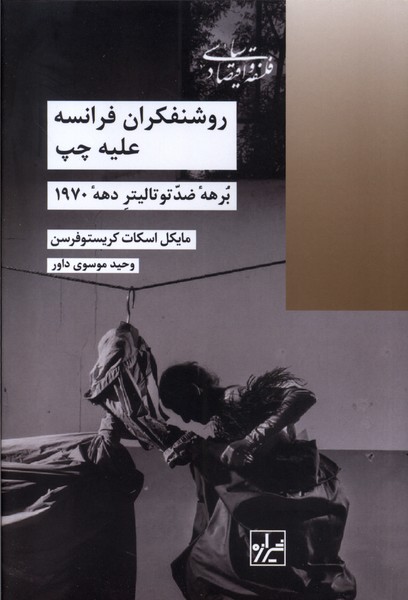
روشنفکران فرانسه علیه چپ
25,69 $

Dela
Wishlist
Originaltitel:
French Intellectuals Against the Left: The Antitotalitarian Moment of the 1970s
ISBN:
9786225346376
Översättare:
Vahīd Mūsavī Dāvar
Förlag:
Shirazih
Åldersgrupp:
Vuxen
Sidor:
464
Vikt:
650 g
Produktmått:
14 x 21 x 5 cm
Bokomslag:
Inbunden
In the latter half of the 1970s, the French intellectual Left denounced communism, Marxism, and revolutionary politics through a critique of left-wing totalitarianism that paved the way for today's postmodern, liberal, and moderate republican political options. Contrary to the dominant understanding of the critique of totalitarianism as an abrupt rupture induced by Aleksandr Solzhenitsyn's The Gulag Archipelago , Christofferson argues that French anti-totalitarianism was the culmination of direct-democratic critiques of communism and revisions of the revolutionary project after 1956. The author's focus on the direct-democratic politics of French intellectuals offers an important alternative to recent histories that seek to explain the course of French intellectual politics by France's apparent lack of a liberal tradition.
more
کتابِ حاضر روایتِ قطبی شدنِ منظومهٔ سیاسی چپ در فرانسه است. روایتی که از پایان دههٔ ۱۹۶۰ آغاز شد و در پایان دههٔ ۱۹۷۰ به اوج خود رسید و نیروهای چپ در این کشور را به دو قطب متضاد یکدیگر تبدیل کرد. در یک سو میراثدارانِ کنشگری دانشجویی سال ۱۹۶۸ در فرانسه که با تجدیدنظر در مفهومپردازی امر سیاسی به تغییراتِ بنیادینی در روشنفکری چپ در فرانسه دامن زدند و در سوی دیگر، چپِ نهادی، یعنی احزاب سوسیالیست و کمونیست که مصمم شدهبودند با کنار گذاشتنِ برخی از اختلافاتِ خود و ایجاد یک «اتحاد چپ»، به قدرت بازگردند تا پایانی بگذارند بر انحصار چهلسالهٔ حاکمیت راستگرایان در این کشور. آن مفهومی که در کارزارهای روشنفکرانهٔ چپ جدید علیه چپ نهادی، عاقبت دستِبالا را پیدا کرد و به تمامی مباحث جهت داد، مفهوم توتالیتاریسم بود. مفهومی که علیرغم تردید پسینیِ مُبدعانش در مورد اعتبار اخلاقیِ آن و تشکیک سیاستمداران و روشنفکران اروپایی در مورد تواناییِ کاربردیاش برای سامان دادن به سیاست خارجیِ کشورهای متبوعشان در دوران جنگ سرد، بهوفور مورد استفادهٔ روشنفکران چپ جدید قرار گرفت و همراه با خود از جمله نهتنها مفهوم انقلاب را از دایرهٔ مباحث چپ جدید پاک کرد بلکه چشمانداز هرگونه تغییر ملموس در سلطهٔ سرمایهداری را نیز از افق دید خارج نمود.
more