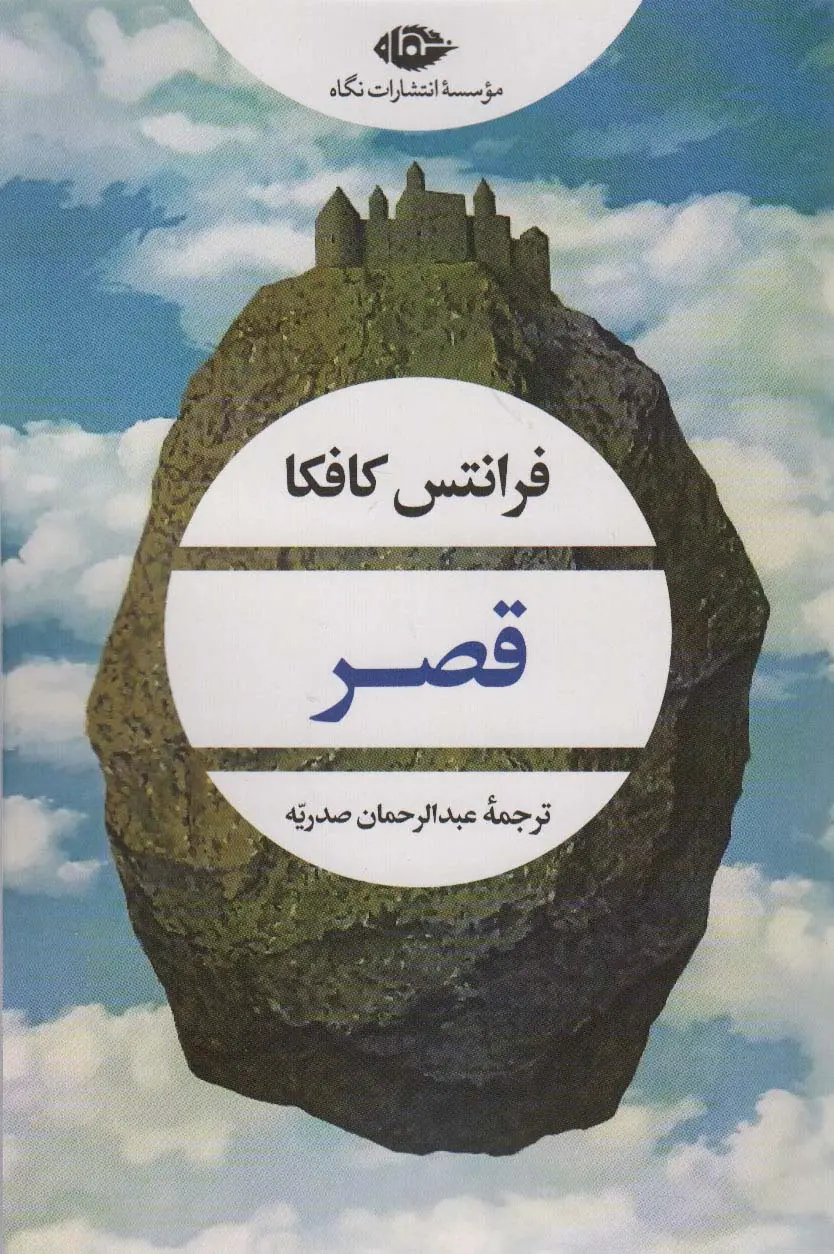

قصر الفارسية 1447
Qasr
20٫22 $

مشاركة
Wishlist
العنوان الأصلي:
Das Schloss
ISBN رقم:
9789642090235
المترجم:
'Ali Asqar Haddad
الناشر:
Mahi
الفئة العمرية:
البالغون
الصفحات:
429
الوزن:
500 g
أبعاد المنتج:
14 x 21 x 2٫2 cm
غلاف الكتاب:
غلاف ورقی
Life story of a man captured by badness
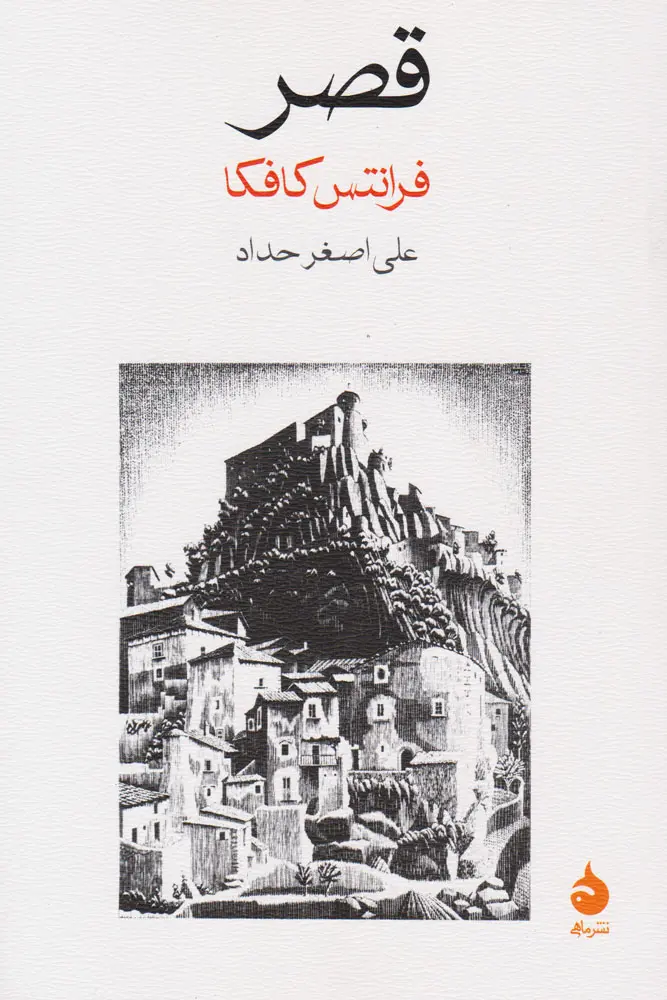
“The Castle” by Franz Kafka is one of his most important and influential novels; an unfinished work that was published after the author’s death. Kafka never had the opportunity to complete this novel, just as his other two major novels, “The Trial” and “Amerika”, also remained unfinished. However, the incomplete nature of “The Castle” has become part of its mystery and power, as the novel portrays a world in which the search for meaning, access to truth, and confrontation with authority remain perpetually unresolved.
The story follows a man named K. who arrives at a remote village dominated by a mysterious castle situated above it. The castle represents an unknown center of power that controls every aspect of life, yet the villagers have neither the ability to enter it nor the means to challenge its vague and inaccessible rules. As an outsider, K. questions this accepted order and attempts to gain access to the castle in order to uncover the truth behind this complex system.
“The Castle” is a novel about human alienation, the inability to communicate with systems of power, the search for identity, and the endless struggle to achieve a clear understanding of an ambiguous world. Through a dreamlike yet realistic atmosphere, Kafka presents a portrait of a human being trapped between invisible laws, complicated bureaucracy, and the desire to find meaning.
The novel consists of twenty chapters, with the final chapter left unfinished. The Persian translation was completed by Amir Jalal al-Din Aalam, who translated the work by consulting several authoritative European translations. “The Castle” remains one of the most significant literary works of the twentieth century and a defining example of Kafka’s worldview: a world in which human beings search endlessly for answers, only to encounter deeper and more unsettling questions.
more
داستان انسانی که در پنجه اهریمنان فرمانروا گرفتار است وهمچنان در طلب نیکی و راست
«قصر» اثر فرانتس کافکا یکی از مهمترین و تأثیرگذارترین رمانهای اوست؛ اثری ناتمام که پس از مرگ نویسنده منتشر شد. کافکا فرصت پایان دادن به این رمان را نیافت، همانگونه که دو رمان دیگرش، «محاکمه» و «آمریکا» نیز ناتمام باقی ماندند. با این حال، ناتمام ماندن «قصر» به بخشی از رازآلودگی و قدرت آن تبدیل شده است؛ زیرا رمان جهانی را ترسیم میکند که در آن جستوجوی معنا، دسترسی به حقیقت و مواجهه با قدرت، همواره در وضعیتی معلق باقی میماند.
داستان دربارهی مردی به نام آقای ک است که وارد دهکدهای دورافتاده میشود؛ دهکدهای که بر فراز آن قصری اسرارآمیز قرار دارد. قصر مرکز قدرتی ناشناخته است که همهچیز را کنترل میکند، اما مردم دهکده نه امکان ورود به آن را دارند و نه در برابر قوانین مبهم و دستنیافتنی آن اعتراض میکنند. آقای ک، بهعنوان فردی بیگانه، این نظم پذیرفتهشده را زیر سوال میبرد و تلاش میکند به قصر راه یابد و حقیقت پشت این ساختار پیچیده را کشف کند.
«قصر» روایتی از بیگانگی انسان، ناتوانی در ارتباط با نظامهای قدرت، جستوجوی هویت و تلاش بیپایان برای رسیدن به فهمی روشن از جهانی مبهم است. کافکا با فضایی کابوسگونه و در عین حال واقعگرایانه، تصویری از انسانی ارایه میدهد که میان قوانین نامریی، بوروکراسی پیچیده و میل به معنا گرفتار شده است.
این رمان در بیست فصل نوشته شده و فصل پایانی آن ناتمام مانده است. ترجمهی فارسی کتاب را امیر جلالالدین اعلم انجام داده و آن را با مقابلهی چند ترجمهی معتبر اروپایی به فارسی برگردانده است. «قصر» همچنان یکی از مهمترین آثار ادبی قرن بیستم به شمار میرود و نمونهای برجسته از جهانبینی کافکایی است؛ جهانی که در آن انسان در جستوجوی پاسخ است، اما اغلب با پرسشهای تازهتری روبهرو میشود.
more