

قصر الفارسية 1448
Qasr
18٫89 $

مشاركة
Wishlist
العنوان الأصلي:
Das Schloss
ISBN رقم:
9786222673444
المترجم:
Abdolrahman Sadriyeh
الناشر:
Mu'assisah-i Intisharat-i Nigah
الفئة العمرية:
البالغون
الصفحات:
446
الوزن:
450 g
أبعاد المنتج:
14 x 21 x 2٫5 cm
غلاف الكتاب:
غلاف ورقی
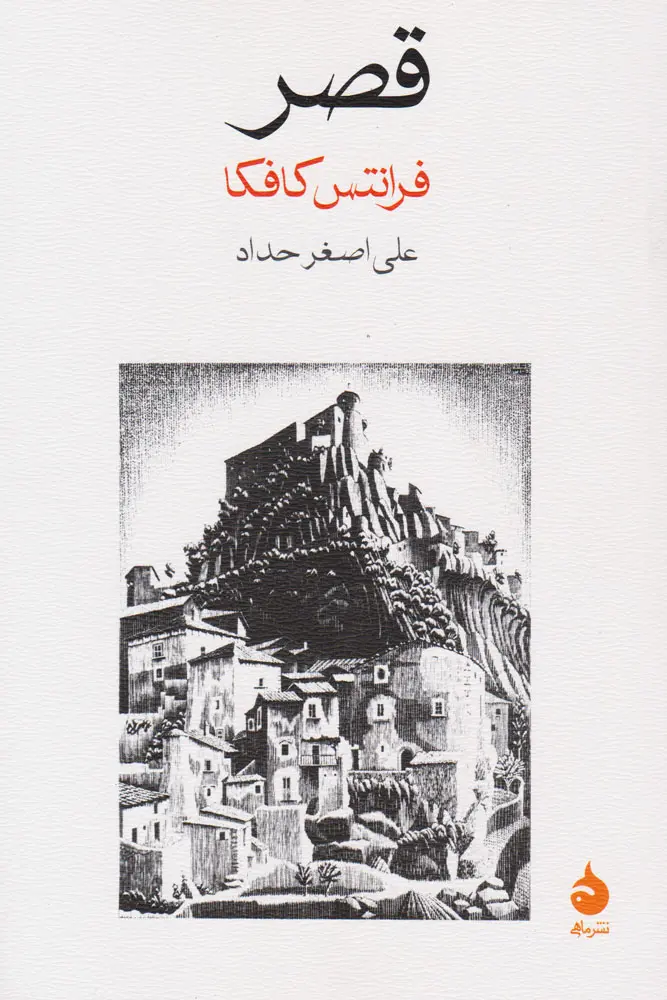
“The Castle” by Franz Kafka is one of his most important and influential novels; an unfinished work published after the author’s death. Kafka never had the opportunity to complete this novel, just as his other two major novels, “The Trial” and “Amerika”, also remained unfinished. Yet the incomplete nature of “The Castle” has not diminished its significance; rather, it has become an essential part of its mystery and literary power, as the novel portrays a world in which the search for meaning, the pursuit of truth, and the confrontation with authority remain forever ambiguous and unattainable.
The story follows a man named K. who arrives at a remote village dominated by a mysterious castle situated above it. The castle symbolizes an unknown and inaccessible power that governs the lives of the villagers, yet no one has the ability or the will to challenge its complex and obscure rules. K., who arrives as a land surveyor, attempts to gain access to the castle, establish his place within the community, and escape his state of alienation. However, he encounters a mysterious bureaucratic system that renders all his efforts futile.
“The Castle” is a story of a human being trapped under the influence of unknown powers and rulers who resemble almost demonic forces, yet who continues to seek goodness, truth, and a sense of belonging in the world despite every obstacle. Through a nightmarish yet realistic atmosphere, Kafka presents a profound exploration of human alienation, the complexity of systems of power, individual loneliness, and the endless struggle to find meaning.
K. has been summoned to the castle, but he is neither granted permission to enter nor accepted by the villagers living along the road to it. He seeks only the simplest human desires: having a profession, building a life, forming a family, and finding a place within society. Yet the hidden and mysterious administration of the castle and the incomprehensible decisions of the “gentlemen” prevent him from escaping isolation and becoming a recognized member of the community.
The first Persian translation of “The Castle” was published in 1340 SH (1961–62) by Dr. Abdolrahman Sadriyeh, translated directly from the German original. The novel remains one of the most enduring works of twentieth-century literature and a defining example of the Kafkaesque worldview: a world in which human beings search for truth, only to discover that every answer leads to another question.
more
«قصر» اثر فرانتس کافکا یکی از مهمترین و تأثیرگذارترین رمانهای اوست؛ اثری ناتمام که پس از مرگ نویسنده منتشر شد. کافکا فرصت پایان دادن به این رمان را نیافت، همانگونه که دو رمان دیگرش، «محاکمه» و «آمریکا» نیز ناتمام باقی ماندند. با این حال، ناتمام ماندن «قصر» نهتنها از ارزش آن نکاسته، بلکه به بخشی از رازآلودگی و قدرت ادبی آن تبدیل شده است؛ زیرا رمان جهانی را به تصویر میکشد که در آن جستوجوی معنا، دستیابی به حقیقت و مواجهه با قدرت، همواره در وضعیتی مبهم و دستنیافتنی باقی میماند.
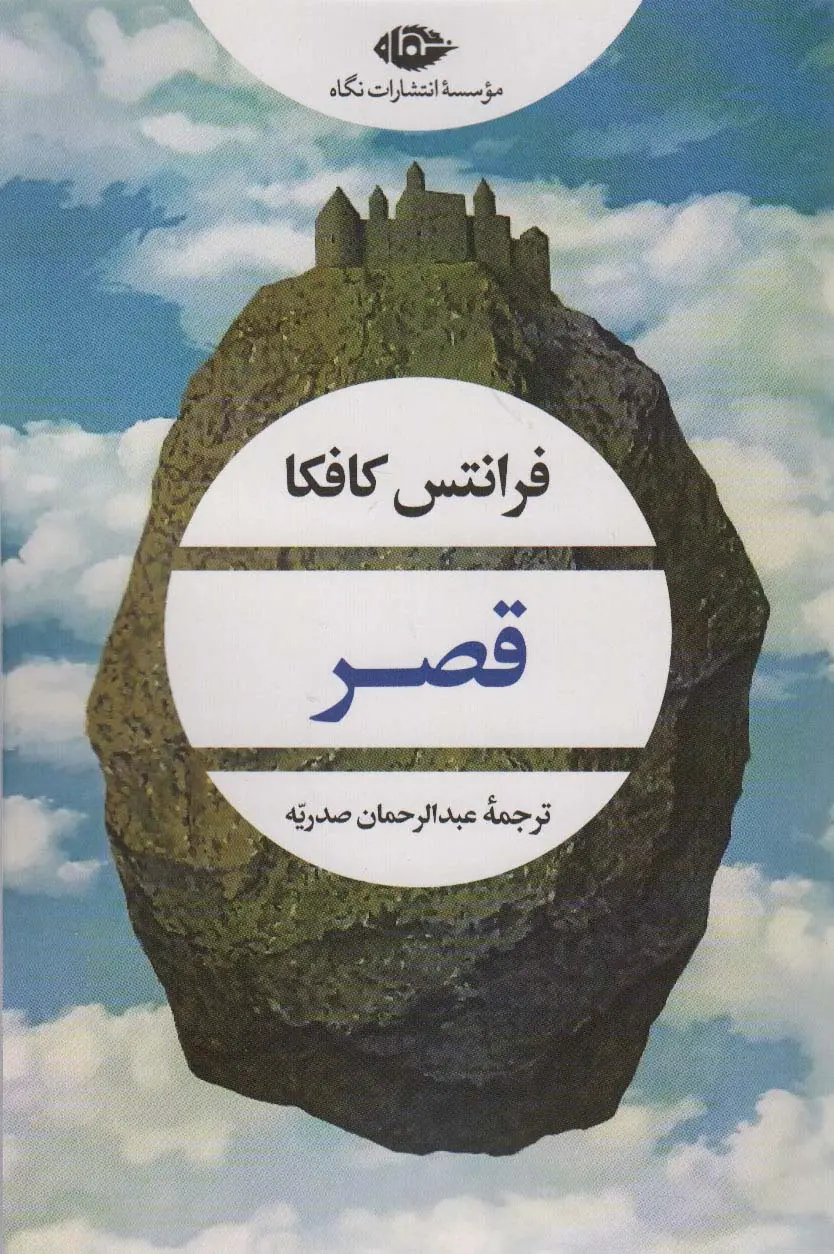
داستان دربارهی مردی به نام آقای ک است که به دهکدهای دورافتاده وارد میشود؛ جایی که بر فراز آن قصری اسرارآمیز قرار دارد. قصر نماد قدرتی ناشناخته و دور از دسترس است که بر زندگی مردم دهکده سایه افکنده، اما هیچکس توان یا ارادهی مقابله با قوانین پیچیده و مبهم آن را ندارد. آقای ک که بهعنوان مساح وارد دهکده شده، میکوشد به قصر راه یابد، جایگاه خود را در جامعه پیدا کند و از وضعیت بیگانگی رهایی یابد، اما با ساختاری مرموز و دیوانسالارانه روبهرو میشود که هر تلاش او را بینتیجه میگذارد.
«قصر» روایتی است از انسان گرفتار در پنجهی قدرتهای ناشناخته و فرمانروایانی شبیه اهریمن، انسانی که با وجود همهی موانع همچنان در طلب نیکی، راستی و یافتن جایگاه خویش در جهان است. کافکا با فضایی کابوسگونه و در عین حال واقعگرایانه، تصویری از بیگانگی انسان، پیچیدگی نظامهای قدرت، تنهایی فرد و تلاش بیپایان برای رسیدن به معنا ارایه میدهد.
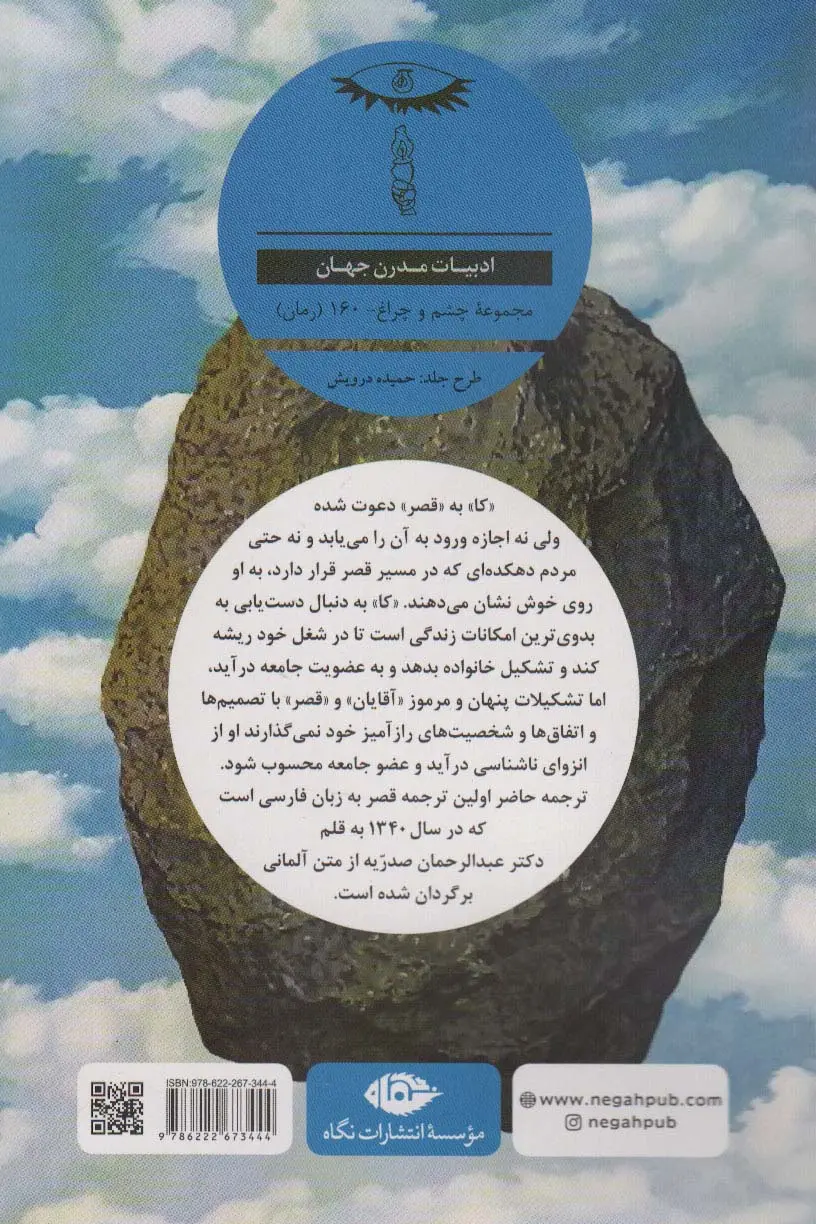
«کا» به قصر دعوت شده است، اما نه اجازهی ورود به آن را مییابد و نه مردم دهکدهای که در مسیر قصر قرار دارد، او را میپذیرند. او در پی سادهترین خواستههای انسانی است: داشتن شغل، ساختن زندگی، تشکیل خانواده و تعلق یافتن به جامعه؛ اما تشکیلات پنهان و مرموز قصر و تصمیمهای نامفهوم «آقایان» مانع از آن میشود که از انزوای خویش بیرون آید و به عضوی پذیرفتهشده از جامعه تبدیل شود.
ترجمهی فارسی «قصر» نخستین بار در سال 1340 به قلم دکتر عبدالرحمان صدریه و از متن آلمانی منتشر شد. این اثر همچنان یکی از ماندگارترین رمانهای قرن بیستم و نمونهای برجسته از جهان کافکایی است؛ جهانی که در آن انسان در جستوجوی حقیقت است، اما هر پاسخ، پرسشی تازه پیش روی او میگذارد.
more