

پادشاهی کیخسرو: قصههای شاهنامه 8 الفارسية 1447
Pādshāhī-ye KaykhusrawQesseh-hā-ye Shāhnāmeh 8
7٫35 $

مشاركة
Wishlist
العنوان الأصلي:
پادشاهی کیخسرو: قصههای شاهنامه 8
ISBN رقم:
9786003751682
رسام:
Moḥammad-‘Alī Keshāvarz
محول:
Māzyār Baghalānī
,
Īlnāz Ebrāhīmī
الناشر:
Barf
الفئة العمرية:
أطفال الابتداییه - من 8 إلی 12 سنه
الصفحات:
12
الوزن:
150 g
أبعاد المنتج:
22 x 22 x 0٫5 cm
غلاف الكتاب:
غلاف ورقی
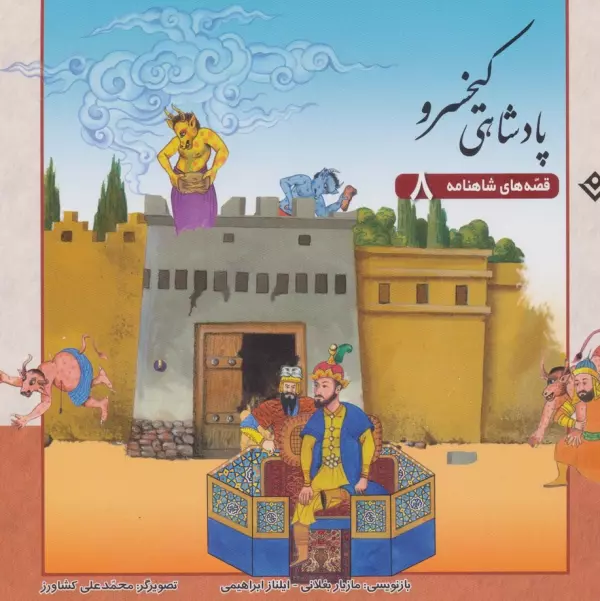
Kay Khosrow, the son of the Iranian prince Siyâvash and the Turanian princess Farangis, is one of the most distinguished kings in the Shahnameh. His dual lineage—both Iranian and Turanian—makes him a symbol of unity between the two lands and an embodiment of justice, wisdom, and ideal kingship.
After Siyâvash was unjustly killed by Afrâsiâb, Farangis secretly raised her son in Turan, fearing that Afrâsiâb would one day destroy the child to prevent future vengeance. Thus, Kay Khosrow grew up under constant threat, yet matured into a noble and courageous youth. Eventually, Giv, a loyal Iranian hero, endured many hardships to find him and bring him safely back to Iran.
Upon ascending the throne, Kay Khosrow—unlike many other kings—did not seek power for its own sake. Instead, he ushered in a period of peace and fairness, avenged his father by defeating Afrâsiâb, and secured the borders of Iran. His reign rested on three fundamental principles: justice in judgment, loyalty to promises, and respect for territorial boundaries.
Finally, after years of righteous rule, he voluntarily renounced the crown, peacefully transferring kingship to Lohrâsp. He then withdrew to the mountains for prayer and spiritual fulfillment, disappearing from the world. In the Shahnameh, Kay Khosrow stands as a symbol of spiritual kingship—defined by justice, wisdom, and detachment from worldly ambition. This new edition of The tale of The Reign of Kay Khosrow, illustrated by Mohammad-Ali Keshavarz and rewritten by Maziar Baghlani and Eilnaz Ebrahimi, is published by Barf Publishing for young readers.
more
کیخسرو، فرزند سیاوش ایرانی و فرنگیس تورانی، از برجستهترین شاهان شاهنامه است؛ پادشاهی که هم تبار ایرانی دارد و هم تورانی، و همین جایگاه دوگانه او را به نماد پیوند میان دو سرزمین و الگویی از عدالت و دانایی تبدیل کرده است.
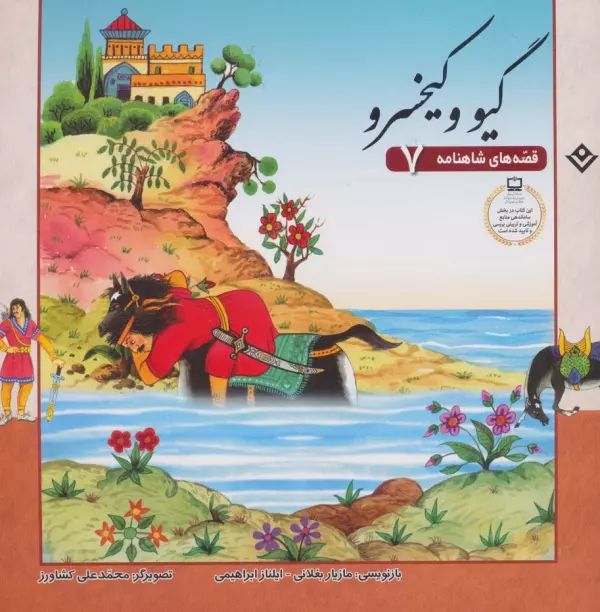
پس از کشته شدن سیاوش بهدست افراسیاب، فرنگیس پسرش کیخسرو را در توران پنهانی بزرگ کرد، زیرا افراسیاب از اینکه نوهاش روزی انتقام بگیرد، بیم داشت. کیخسرو در کودکی در سایه تهدید و ترس زندگی کرد، اما با هوش و دلاوریاش رشد یافت. سرانجام گیو، پهلوان ایرانی، با تحمل رنجهای بسیار او را یافت و به ایران بازگرداند.
کیخسرو پس از رسیدن به پادشاهی، برخلاف بسیاری از شاهان، قدرتطلب نبود. او دوران آرام و عادلانهای را رقم زد، انتقام خون سیاوش را با شکست افراسیاب گرفت و مرزهای ایران را امن کرد. حکومت او بر سه اصل استوار بود: دادگری، وفای به پیمان و احترام به مرزها.
در نهایت، پس از سالها فرمانروایی عادلانه، داوطلبانه از پادشاهی کناره گرفت؛ جانشینی را بدون خونریزی به لهراسپ سپرد و خود برای نیایش و رستگاری در کوهها ناپدید شد. کیخسرو در شاهنامه نماد پادشاهی معنوی، عدالت و چشمپوشی از دنیا معرفی میشود. این داستان در قالبی امروزی و تصویری برای کودکان توسط نشر برف، با تصویرگری محمدعلی کشاورز و بازنویسی مازیار بغلانی و ایلناز ابراهیمی منتشر شده است.
more