

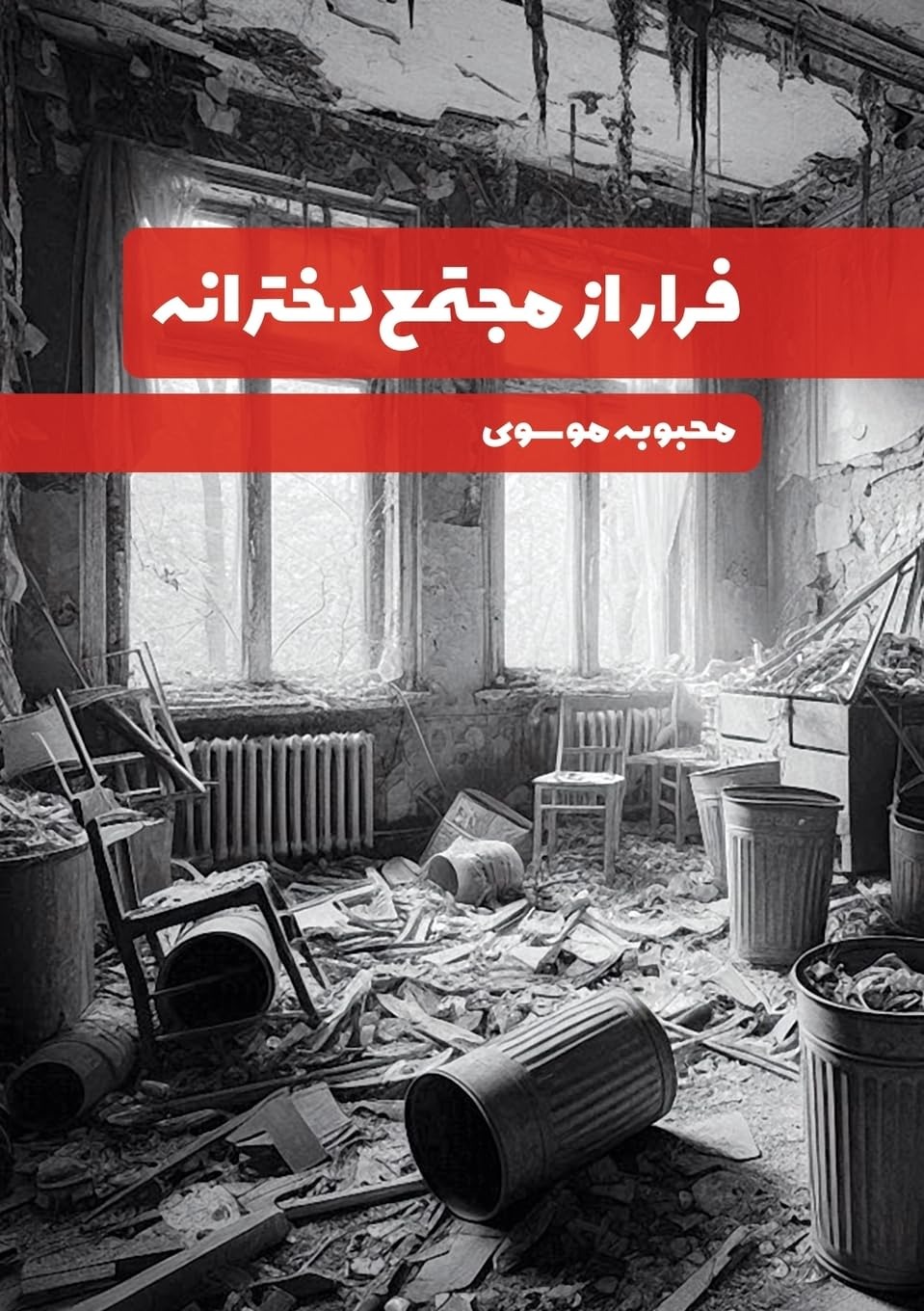
فرار از مجتمع دخترانه الفارسية 1447
Farār az Mujtamaʿ-i Dukhtarānah
26٫99 $

مشاركة
Wishlist
العنوان الأصلي:
فرار از مجتمع دخترانه
ISBN رقم:
9781069021090
الناشر:
Asemana Books
الفئة العمرية:
البالغون
الصفحات:
452
الوزن:
535 g
أبعاد المنتج:
14 x 21 x 2٫5 cm
غلاف الكتاب:
غلاف ورقی

Diaspora
Drought, sinking earth, fear, and pursuit have all conspired to unravel a city—where young women, stranded in a wasteland on the fringes of a sprawling metropolis, hemmed in by drought and refuse, live confined within a prison-like compound. They swallow fear to their core and weave dreams of escape, unaware that, for some time now, countless others across the great city have also been fleeing—hounded by agents or paralyzed by the dread of capture. In the end times of such a land, a quiet miracle stirs from within the walls of a crumbling house, now turned into a fortress-prison for girls abandoned by their families.
The novel “Escape from the Girls’ Complex” by Mahboubeh Mousavi, published by Asemana, is a polyphonic dystopian narrative about social and environmental collapse and humanity’s, particularly women’s, struggle for liberation and reconstruction. Centered around the character of Aida and 34 named characters, the novel explores themes such as oppression, resistance, loneliness, hope, and the possibility of rebuilding life in a fractured world.
The story unfolds within a context of social and ecological crises, where the Girls’ Complex, as a symbol of a repressive system of order, transforms after the collapse of existing conditions into a space for experiencing alternative ways of living. Aida, confronted with the hidden secrets of the complex’s director, her painful past, and signs of environmental destruction, searches for a path toward freedom. Alongside her, other characters—including a doctor who exposes organized crimes and a healthcare worker struggling with loneliness in an abandoned city—contribute their individual narratives to the portrayal of this broken world.
In this work, Mousavi employs a nonlinear structure, shifting perspectives, and parallel narratives to create a multilayered depiction of a society in the process of collapse. The novel’s 34 characters are not portrayed as entirely good or evil; rather, they are shaped by social conditions and the struggle for survival, moving between oppression and liberation, destruction and reconstruction. The symbolic presence of objects—from the walls of the complex and accumulated waste to rivers and natural elements—adds a philosophical depth to the novel, emphasizing the relationship between humans, their environment, and the worlds they create.
From the perspective of women’s literature, “Escape from the Girls’ Complex” places women’s voices and lived experiences at the center of its narrative. Characters such as Aida, Tanaz, Parvaneh, and Aunt Azra are not merely victims of circumstances; they are active agents who confront the world through their bodies, memories, pain, and emotions. Through experiences of illness, loneliness, and vulnerability, the novel examines the lives of women who struggle to find their voices within restrictive social structures.
Environmental crisis is another central theme of the book. Land subsidence, endless rains, accumulated waste, and the destruction of nature function both as narrative elements and as symbols of the consequences of human actions toward the environment. By giving life and agency to objects and spaces, Mousavi blurs the boundaries between humans, nature, and human-made structures, portraying a world in which human survival depends on rethinking the relationship between people and their surroundings.
“Escape from the Girls’ Complex” is a novel about resistance, collapse, and the possibility of hope in a world overwhelmed by crisis. Its polyphonic structure and open ending invite readers to reflect on questions of freedom, responsibility, collective life, and the possibility of rebuilding after destruction. The work has been published by Asemana without censorship and is available to readers.
more
بیآبی، فرونشست زمین، ترس و تعقیب و گریز دست به دست هم داده است تا شهری را بهم بریزد که دخترانش در ناکجاآبادی در حاشیهی شهر بزرگ، در محاصرهی خشکسالی و زباله، ساکن مجتمعی زندانمانند، ترس را به اعماق جان میکشند و از اندیشهی فرار برای خود رویا میسازند، بیخبر از اینکه مدتهاست در شهر بزرگ بسیارانی، یا از تجسس مأموران و یا از بیم دستگیر شدن، در حال گریزند . در آخرالزمان چنین سرزمینی معجزه از درون خانه رخ میدهد، ساختمان خانهای قدیمی که حالا تبدیل به مجتمع- زندان دختران بدسرپرست شده است.
رمان «فرار از مجتمع دخترانه» اثر محبوبه موسوی که توسط نشر آسمانا منتشر شده، روایتی چندصدایی و دیستوپیایی درباره فروپاشی اجتماعی و زیستمحیطی و تلاش انسانها، بهویژه زنان، برای رهایی و بازسازی است. این رمان با محوریت شخصیت آیدا و 34 شخصیت نامگذاریشده، به موضوعاتی چون سرکوب، مقاومت، تنهایی، امید و امکان ساختن دوباره زندگی در جهانی ازهمگسیخته میپردازد.
داستان در بستری از بحرانهای اجتماعی و محیطزیستی شکل میگیرد؛ جایی که مجتمع دخترانه، بهعنوان نمادی از نظم سرکوبگر، در پی فروپاشی شرایط موجود به فضایی برای تجربه شکل دیگری از زیستن تبدیل میشود. آیدا، در مواجهه با رازهای پنهان مدیر مجتمع، گذشته دردناک خود و نشانههای فروپاشی محیطزیست، مسیر رهایی را جستوجو میکند. در کنار او، شخصیتهایی دیگر مانند پزشکی که پرده از جنایتهای سازمانیافته برمیدارد و بهیاری که در شهری متروک با تنهایی دستوپنجه نرم میکند، روایتهای گوناگون این جهان فروپاشیده را شکل میدهند.
موسوی در این اثر از ساختاری غیرخطی، زاویهدیدهای متغیر و روایتهای موازی استفاده کرده است تا تصویری چندلایه از جامعهای در حال فروپاشی ارایه دهد. 34 شخصیت رمان، شخصیتهایی کاملاً سیاه و سفید نیستند؛ بلکه تحت تأثیر شرایط اجتماعی و نیاز به بقا، میان سرکوب و رهایی، تخریب و بازسازی در حرکتاند. حضور نمادین اشیا، از دیوارهای مجتمع و زبالهها تا رود و عناصر طبیعی، نیز به رمان عمقی فلسفی میبخشد و رابطه انسان با محیط و ساختههای خود را برجسته میکند.
از منظر ادبیات زنانه، «فرار از مجتمع دخترانه» صدای زنان و تجربه زیسته آنان را در مرکز روایت قرار میدهد. شخصیتهایی مانند آیدا، طناز، پروانه و خاله عذرا، نه صرفاً قربانی شرایط، بلکه کنشگرانی هستند که با بدن، خاطرات، دردها و عواطف خود با جهان پیرامون مواجه میشوند. رمان از خلال تجربههایی مانند بیماری، تنهایی و بیپناهی، به بررسی وضعیت زنانی میپردازد که تلاش میکنند صدای خود را در ساختارهای محدودکننده پیدا کنند.
بحران زیستمحیطی نیز یکی از محورهای اصلی کتاب است. فرونشست زمین، بارانهای بیپایان، انباشت زباله و تخریب طبیعت، هم عناصر داستانی و هم نشانههایی از پیامدهای رفتار انسانی با محیطزیست هستند. موسوی با جانبخشی به اشیا و فضاها، مرز میان انسان، طبیعت و ساختههای انسانی را کمرنگ میکند و جهانی را ترسیم میکند که در آن بقای انسان وابسته به بازنگری در رابطهاش با پیرامون خود است.
«فرار از مجتمع دخترانه» رمانی درباره مقاومت، فروپاشی و امکان امید در جهانی بحرانزده است. ساختار چندصدایی و پایان باز آن، خواننده را در برابر پرسشهایی درباره آزادی، مسیولیت، زیستن جمعی و امکان بازسازی پس از ویرانی قرار میدهد. این اثر از سوی نشر آسمانا بدون سانسور منتشر شده و در دسترس مخاطبان قرار گرفته است.
more