

الإنجليزية 1439
Slave metaphor and gendered enslavement in early christian discourse - doub
748٫09 $

مشاركة
Wishlist
ISBN رقم:
9780815374657
الناشر:
Taylor & francis inc
الصفحات:
168
الوزن:
408 g
أبعاد المنتج:
18 x 18 x 2 cm
غلاف الكتاب:
غلاف کرتونی
Thema:
- Religion and beliefs
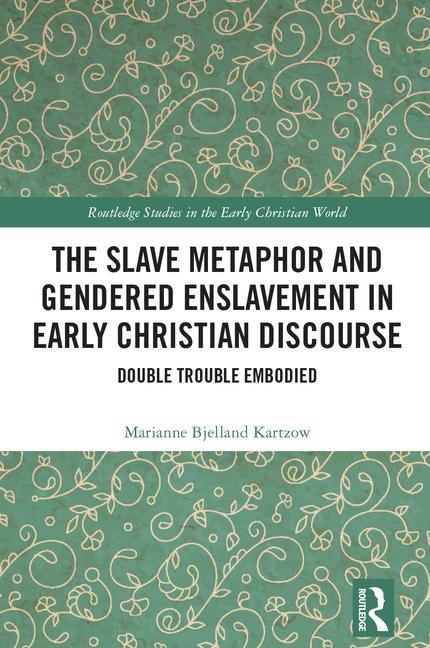
The Slave Metaphor and Gendered Enslavement in Early Christian Discourse adds new knowledge to the ongoing discussion of slavery in early Christian discourse. Kartzow argues that the complex tension between metaphor and social reality in early Christian discourse is undertheorized. A metaphor can be so much more than an innocent thought figure; it involves bodies, relationships, life stories, and memory in complex ways. The slavery metaphor is troubling since it makes theology of a social institution that is profoundly troubling. This study rethinks the potential meaning of the slavery metaphor in early Christian discourse by use of a variety of texts, read with a whole set of theoretical tools taken from metaphor theory and intersectional gender studies, in particular. It also takes seriously the contemporary context of modern slavery, where slavery has re-appeared as a term to name trafficking, gendered violence, and inhuman power systems.
more
more