

الإنجليزية 1440
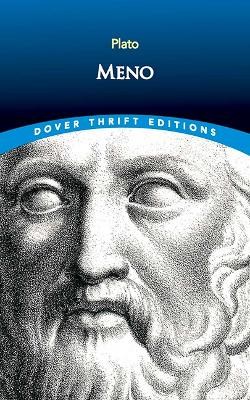
Meno
3٫86 $

مشاركة
Wishlist
ISBN رقم:
9780486831787
الناشر:
Dover Publications
الوزن:
82 g
أبعاد المنتج:
13 x 20 x 0 cm
غلاف الكتاب:
غلاف ورقی
What is virtue? Can it be learned or is it innate? Is it possible to know things a priori (before experience)? In this important and influential Socratic dialogue, Plato addresses a wealth of philosophy's fundamental questions, including the difference between actually knowing something and merely maintaining a correct belief about it. The dialogue begins when Meno, a young aristocrat from Thessaly, confidently declares that he can define virtue—only to be reduced in short order to utter confusion, a fate common to those engaging in debate with Socrates. Meno's contention that a concept cannot be defined without knowledge of its nature leads to one of the most celebrated passages in the history of philosophy: Socrates asserts the doctrine of reincarnation, and by posing a mathematical puzzle to Meno's slave, demonstrates the existence of innate knowledge. This brief but profound dialogue, which forms the basis for subsequent examinations of a priori knowledge, appears here in the translation by the distinguished scholar Benjamin Jowett.
more
more