


الإنجليزية 1446
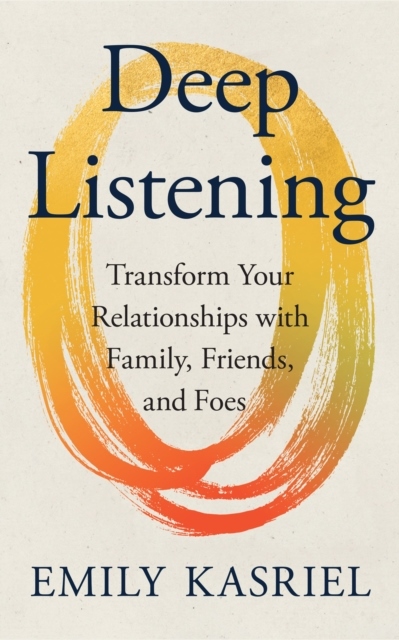
Deep Listening
23٫46 $

مشاركة
Wishlist
ISBN رقم:
9780008746179
الناشر:
Harper Collins UK
الصفحات:
320
الوزن:
270 g
أبعاد المنتج:
14 x 22 x 2 cm
غلاف الكتاب:
تجلید سرجی
Thema:
- Relationships and families: advice, topics and issues
Transform Your Relationships with Family, Friends and Foes
Too often, we bring our own assumptions and agendas to our conversations with others. It is common to feel that we already know the 'right' way of thinking about something, so, when people disagree or promote conflicting ideas, we might not be really interested in listening to them. We may dial down our level of concentration or tune out altogether. The unspoken assumption is, why should we invest in hearing their perspective when we already know they are wrong?
These behaviours don't strongly interfere in small, everyday conversations, such as when we run into our neighbours or have a chat at the office. But when there are significant matters at stake, and when a conflict could be resolved or reignited by the tenor of a conversation, they can cause significant damage. They allow us to pretend not to notice people who are really damaged, and who, on the deepest, most personal level, just crave being listened to.
In DEEP LISTENING, Emily Kasriel explores the barriers that prevent us from respectful, Deep Listening and explains how to overcome them. In the book, Emily will show how Deep Listening is transformational, not transactional: instead of listening to extract information, we listen openly to learn more about the person speaking-and ourselves.
more
more