

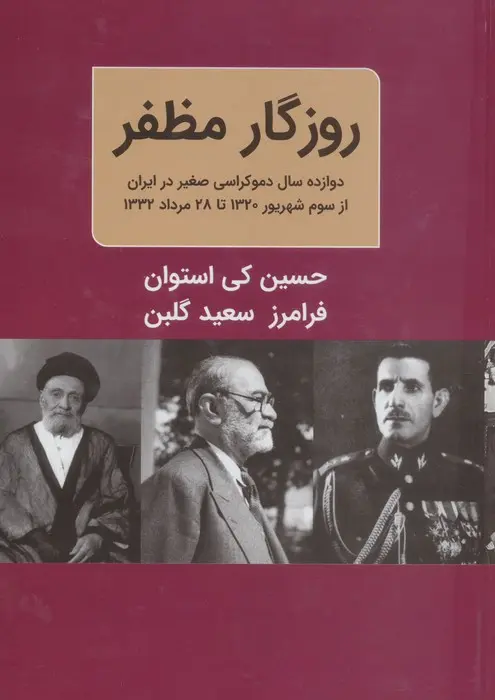
روزگار مظفر: دوازده سال دموکراسی صغیر در ایران از سوم شهریور 1320 تا 28 مرداد 1332 الفارسية 1448
Rūzgār-i MuẓaffarDavāzdah sāl dimukrāsī-yi ṣaghīr dar Īrān az siyyum-i Shahrīvar-i 1320 tā 28-i Murdād-i 1332
42٫82 $

مشاركة
Wishlist
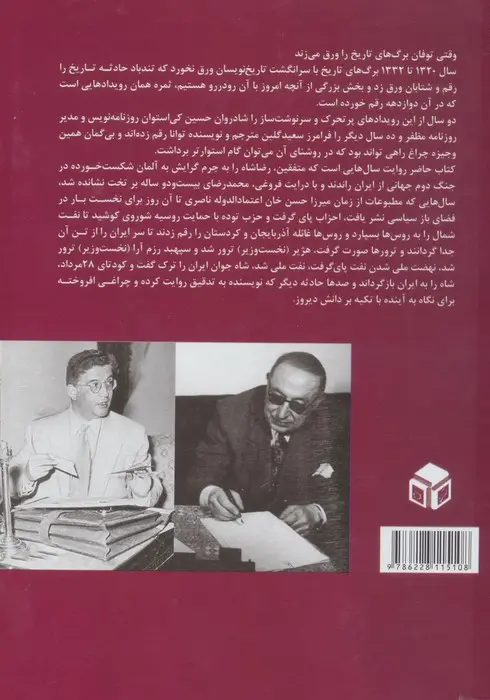
The Age of Mozaffar is a historical account of one of the most transformative periods in modern Iranian history: a twelve-year era that began with the Allied occupation of Iran in September 1941 and ended with the coup d’état of 19 August 1953. These years witnessed profound political and social changes, the rise of political parties, the expansion of press activities, the nationalization of the oil industry movement, and conflicts among domestic and foreign forces over Iran’s future.
Drawing on the writings of Hossein Kiastavan, a journalist and director of the newspaper Mozaffar, and compiled and edited by Faramarz Saeed Golbon, this book presents a comprehensive portrait of Iran’s political and social atmosphere during the reign of Mohammad Reza Shah Pahlavi. It examines a period that followed the abdication of Reza Shah and the beginning of the young monarch’s rule, when Iran experienced a relative opening of political space after years of centralized authority.
The Age of Mozaffar follows the major events of this era, including the Allied presence in Iran, the activities of political parties and the role of the Tudeh Party, the crises in Azerbaijan and Kurdistan, the assassinations of figures such as Abdolhossein Hazhir and General Haj Ali Razmara, the beginning of the oil nationalization movement, the premiership of Dr. Mohammad Mosaddegh, the Shah’s departure from the country, and ultimately the coup of 19 August 1953.
By revisiting one of the most critical chapters of Iran’s modern history, this work seeks to illuminate the origins of many contemporary political developments through the experiences of the past. It offers readers a historical perspective for understanding the connections between the events of yesterday and the challenges facing Iran today.
more
کتاب «روزگار مظفر» روایتی تاریخی از یکی از پرتحولترین دورههای معاصر ایران است؛ دورهای دوازدهساله که از اشغال ایران توسط متفقین در شهریور 1320 آغاز شد و با کودتای 28 مرداد 1332 پایان یافت. این سالها شاهد تغییرات عمیق سیاسی و اجتماعی، شکلگیری احزاب، گسترش فعالیت مطبوعات، نهضت ملی شدن نفت و رویارویی نیروهای داخلی و خارجی بر سر آینده ایران بود.
این کتاب با بهرهگیری از نوشتههای حسین کیاستوان، روزنامهنگار و مدیر روزنامه «مظفر»، و پژوهش و تدوین فرامرز سعید گلبن، تصویری جامع از فضای سیاسی و اجتماعی ایران در دوران سلطنت محمدرضا شاه پهلوی ارایه میدهد؛ دورهای که پس از کنارهگیری رضاشاه و آغاز سلطنت شاه جوان، برای نخستین بار پس از سالها فضای باز سیاسی نسبی در کشور شکل گرفت.
«روزگار مظفر» رویدادهای مهم این دوران را از حضور متفقین در ایران، فعالیت احزاب و نقش حزب توده، بحران آذربایجان و کردستان، ترور شخصیتهایی چون عبدالحسین هژیر و سپهبد رزمآرا، آغاز نهضت ملی شدن نفت، نخستوزیری دکتر محمد مصدق، خروج شاه از کشور و سرانجام کودتای 28 مرداد 1332 دنبال میکند.
این اثر با بازخوانی یکی از حساسترین مقاطع تاریخ ایران، تلاش میکند چرایی شکلگیری بسیاری از تحولات سیاسی امروز را در پرتو تجربههای گذشته نشان دهد و به خواننده امکان دهد با نگاهی تاریخی، پیوند میان وقایع دیروز و مسایل امروز ایران را بهتر درک کند.
more