

الإنجليزية 1447
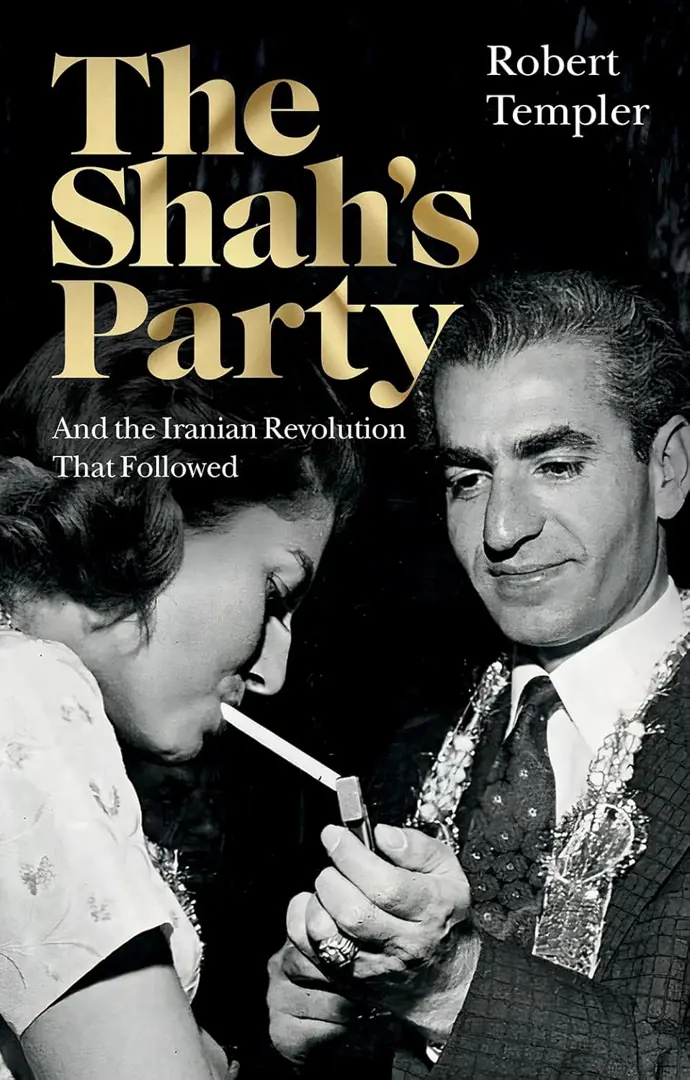
The Shah’s PartyAnd the Iranian Revolution That Followed
26٫60 $

مشاركة
Wishlist
ISBN رقم:
9781805265696
الناشر:
C. Hurst & Co.
الفئة العمرية:
البالغون
الصفحات:
392
الوزن:
570 g
أبعاد المنتج:
14 x 21 x 4 cm
غلاف الكتاب:
غلاف ورقی
The Shah's Party colorfully captures Iran's oil-rich boom years. In 1971, eight years before the dynasty fell, Shah Mohammad Reza Pahlavi and his glamorous wife, Farah Diba, hosted one of the largest gatherings of world leaders ever, celebrating the 2,500th anniversary of the Persian monarchy. But this stranger-than-fiction event, staged in a tented city by the ancient ruins of Persepolis, came amidst a rise in leftist agitation and a turn towards political Islam.
Ruhollah Khomeini, an exiled mullah, began a relentless campaign against the Shah. A skilled populist, Khomeini tapped into growing inequalities and resentments to push his theocratic vision, particularly among those who had left the countryside in search of work. The Shah's autocratic style played poorly in a world increasingly concerned with human rights.
The Persepolis party became a symbol of Iran's regime, allowing the Shah's critics to portray him as repressive and out of touch with the struggles of ordinary people. Khomeini's novel religious populism and his mastery of messaging steamrollered the Shah; he left it too late to move towards democracy, losing the support of his army, his people and his allies. In 1971, trickles of dissent started to build into a revolutionary torrent that, within a decade, would end the dynasty.
more
more