

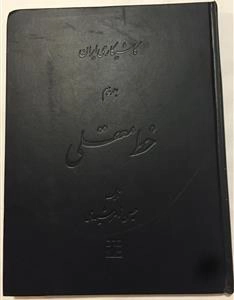
کاشیکاری ایران: خط معقلی الفارسية 1447
Kāshī-kārī-ye ĪrānKhaṭṭ-e Mo‘aqqalī
17٫34 $

مشاركة
Wishlist
العنوان الأصلي:
کاشیکاری ایران: خط معقلی (جلد 3)
ISBN رقم:
9789648921014
الناشر:
Vizarat-i Maskan va Shahr'sazi
الفئة العمرية:
البالغون
الصفحات:
246
الوزن:
1194 g
أبعاد المنتج:
21 x 30 x 2٫5 cm
غلاف الكتاب:
غلاف کرتونی
The art of tile making and tilework is among the most valuable decorative elements associated with architecture. The creativity, taste, and craftsmanship of Iranian tile makers have elevated this art to such a high level that it has long inspired admiration. Those familiar with Iranian Islamic architecture should also be acquainted with the artistic values of tilework—its designs and motifs, colors and glazes, firing techniques, and, more broadly, the principles, rules, and intricacies of this craft.
This article examines tiles from the Safavid period to the Qajar era, and continues through to the present day, introducing the defining characteristics of tilework in these periods as well as key terminology, so that readers may become familiar with the historical transformations of Iranian tile making.
What is Mo‘aqqali tilework?
Mo‘aqqali tilework is a type of tiling created by producing tiles in very small dimensions and arranging these small pieces side by side to form the overall design.
Combining tile with brick in façades helps prevent the expansion and contraction of tiles. This method minimizes the risk of the glaze chipping or flaking. The motifs commonly used in mo‘aqqali tilework include straight lines along vertical and horizontal axes, sometimes diagonal lines at a 45-degree angle, and checkerboard patterns.
more
هنر کاشی گری و کاشی کاری از آرایه های ارزشمند وابسته به معماری است که ذوق، سلیقه و هنرمندی کاشی گری سرزمین ما، آن را به درجه ای از رشد رسانده که تحسین بینندگان را برانگیخته است. آنان که با معماری اسلامی ایران آشنایی دارند، بایستی از آگاهی های لازم از ارزش های هنری، طرح ها و نقوش رنگ و لعاب، پخت و به طور کلی از اصول و قواعد و رموز کاشی کاری نیز بهره مند باشند. در این مقاله، از کاشی های دوره صفویه تا قاجاریه و در امتداد آن تا به امروز مورد بررسی قرار گرفته و شاخصه های کاشی کاری دوره های یادشده و اصطلاحات مهم کاشی کاری معرفی گردیده تا علاقه مندان با تحولات کاشی گری این دوره آشنا شوند.
کاشی معقلی به چه کاشی گفته میشود :
نوعی کاشی کاری است که با ساخت و تهیه کاشی با ابعاد بسیار کوچک و پهلوی هم قرار گرفتن این کاشیهای کوچک کار معقلی صورت می گیرد.
تلفیق کاشی با آجر در نماسازی از انبساط و انقباض کاشیها جلو گیری می کند.با این عمل پریدن و خرد شدن لعاب کاشی به حداقل می رسد.انواع خطوط مستقیم در محورهای عمودی و افقی و گاه خطوط مورب با زاویه 45 درجه و شطرنجی از نقوشی هستند که در کاشی کاری معقلی مورد استفاده دارند.
more