

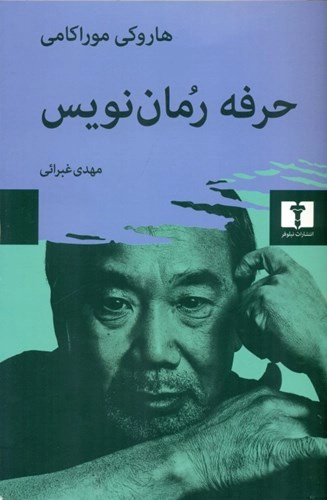
حرفه رمان نویس الفارسية 1447
ḥerfeh-ye romān-nevīs
15٫93 $

مشاركة
Wishlist
العنوان الأصلي:
職業としての小説家
ISBN رقم:
9786227720822
المترجم:
Mahdi Ghibra'i
الناشر:
Nilufar
الفئة العمرية:
البالغون
الصفحات:
224
الوزن:
300 g
أبعاد المنتج:
14 x 21 x 2 cm
غلاف الكتاب:
غلاف ورقی
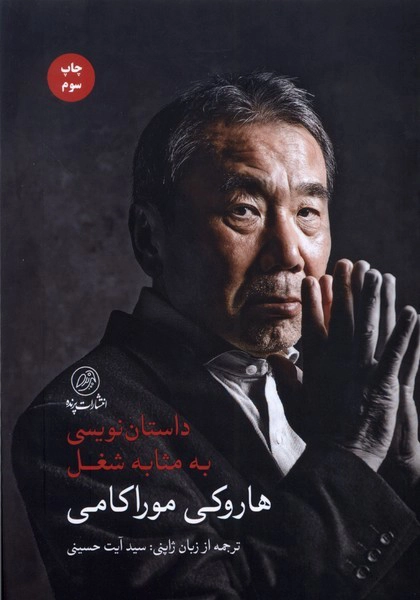
This book is a collection of essays in which Haruki Murakami reflects on his personal path to becoming a writer, his views on novel writing, and his professional experiences. The opening chapter, titled “Do Novelists Have Broad Minds?”, sets the tone, and one of the book’s key essays, “How I Became a Novelist,” offers an autobiographical account of Murakami’s entry into the world of literature.
Rather than serving as a structured instructional manual, the book is a personal meditation on life, writing habits, intellectual independence, and the writer’s relationship with society. In this work, Murakami presents his distinctive—and at times unconventional—perspectives on writing.
Critical reception has been mixed. Some critics have described the book as candid, honest, and illuminating in its portrayal of Murakami’s mindset and working methods, while others have criticized its loose structure and what they see as simplistic or eccentric advice. Nevertheless, the book is considered a noteworthy read for fans of Murakami’s work and for those interested in the creative process of writing.
The book also enjoyed commercial success; for example, Kinokuniya bookstores reportedly purchased around 90% of the first print run.
It can be said that Haruki Murakami is one of the most controversial and enigmatic figures in world literature over the past few decades. To a large number of readers and serious literary critics worldwide, his novels and short stories are unparalleled masterpieces. At the same time, some radical and intellectually critical readers and critics view this renowned Japanese author as part of a postmodern cultural current that promotes works which appear significant on the surface but lack genuine literary value. Despite these debates, Murakami’s influence on literary history has been so substantial that one can legitimately speak of a distinct “Murakami style.”
Novelist as a Vocation is Murakami’s own account of his approach to writing. It presents a comprehensive continuum that encompasses the choice of subjects, the creation and development of characters, ways of engaging with them, narrative construction, publication, and even the manner in which translations of his works are presented in different languages. Novelist as a Vocation is therefore not only a guide to writing in Murakami’s style, but also a reflection on how to live and exist in the world as an important and influential writer—and we are fortunate that the author himself has chosen to share this perspective with us.
more
این کتاب مجموعهای از مقالههاست که هاروکی موراکامی در آنها درباره مسیر شخصیاش در نویسندهشدن، نگاهش به رماننویسی و تجربههای حرفهایاش سخن میگوید. فصل نخست با عنوان «آیا رماننویسان ذهنی باز دارند؟» آغاز میشود و یکی از مقالههای مهم کتاب «چگونه رماننویس شدم» است که روایتی خودزندگینامهای از ورود موراکامی به دنیای ادبیات ارایه میدهد.
کتاب بیش از آنکه یک راهنمای آموزشی منسجم باشد، تأملی شخصی بر زندگی، عادتهای نوشتن، استقلال فکری و رابطه نویسنده با جامعه است. موراکامی در این اثر دیدگاههای خاص و گاه غیرمتعارف خود را درباره نوشتن بیان میکند.
بازخورد منتقدان ترکیبی بوده است:
برخی منتقدان کتاب را صریح، صادقانه و روشنگر درباره ذهن و شیوه کاری موراکامی دانستهاند، در حالی که برخی دیگر ساختار پراکنده و توصیههای گاه سادهانگارانه یا عجیب آن را نقد کردهاند. با این حال، کتاب برای علاقهمندان به آثار موراکامی و کسانی که به فرایند خلاقه نویسندگی علاقه دارند، اثری قابل توجه محسوب میشود.
انتشار کتاب با استقبال تجاری نیز همراه بود؛ بهطوری که فروشگاههای Kinokuniya حدود 90٪ از تیراژ نخست آن را خریداری کردند.
شاید بتوان گفت که هاروکی موراکامی پرمناقشهترین و عجیبترین پدیدهی ادبیات جهان در چند دههی گذشتهست. رمانها و داستانهای کوتاه او از منظر بخش بزرگی از خوانندگان و منتقدان جدی ادبیات در سرتاسر جهان، شاهکارهایی بیمثالند، درحالیکه به زعم بخشی از منتقدان و خوانندگان متفکر و رادیکال، این نویسندهی شهیر ژاپنی بخشی از جریان فرهنگی شکل گرفته در جهان پسامدرن است که درحال قالب کردن نوشتههای بهظاهر مهم ولی فاقد آن ارزش واقعی، به عنوان آثار ادبی درجه یک هستند. با اینهمه و با وجود همهی این ماجراهای پیرامون موراکامی، تأثیر او بر تاریخ ادبیات چنان بوده و هست که میتوان به درستی از سبک موراکامی حرف زد. کتاب «داستاننویسی به مثابهی شغل» روایت این نویسنده از سبک و سیاق نویسندگیاش است. سبک و سیاقی که نوشتن را در پیوستاری بسیار عظیم از انتخاب موضوعات، شخصیتها، مواجهه با آنها، شیوههای پرداخت و پرورششان، ساختن یکیک ماجراهای داستانها، انتشار اثر و سپس حتی شیوهی ارایهی ترجمههای آثار به زبانهای مختلف را در برمیگیرد! داستاننویسی به مثابهی شغل، کتابیست که نه فقط طریقت نوشتن به سبک مواراکامی، بلکه چگونه زیستن و بودن در جهان، در قامت یک نویسندهی مهم و اثرگذار را روایت میکند و از بختیاری ماست که این مهم را خود نویسنده در اختیارمان قرار داده است.
more