

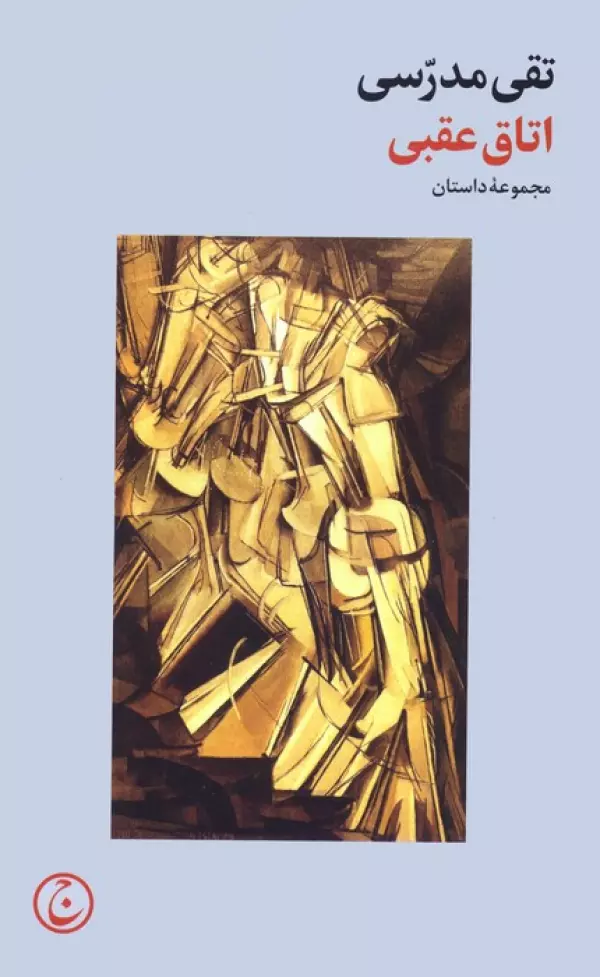
اتاق عقبی الفارسية 1447
otāq-e ‘aqabī
28٫27 $

مشاركة
Wishlist
العنوان الأصلي:
اتاق عقبی
ISBN رقم:
9786227004403
الناشر:
Farhang-i Javid
الفئة العمرية:
البالغون
الصفحات:
348
الوزن:
450 g
أبعاد المنتج:
14 x 21 x 2 cm
غلاف الكتاب:
غلاف ورقی
The collection The Back Room comprises works written during the early years of the author’s literary career and published posthumously. The short story collection contains seven stories, and its title is taken from one of the pieces included in the volume.
Each of the stories in The Back Room had previously appeared in the literary journals Jang-e Esfahan and Sokhan. The stories largely revolve around human relationships, solitude, identity, and the challenges of everyday life. Although these themes recur throughout the collection, none of the stories share an identical atmosphere or narrative setting.
The opening story, From Which Side Does the Sun Rise?, depicts a forbidden love, but more importantly, presents the life of a servant so deprived that he does not even know from which direction the sun rises.
The final story of the collection, The Chinvat Customs House, unfolds primarily within an office setting and recounts the tale of a man who resigns from his job.
In the titular story, The Back Room, Mrs. Saqafi asks her husband to save their apple tree from destruction, but her attempts prove futile. Mr. Saqafi not only shows no concern for the tree, but neglects himself as well; his overeating results in illness, and he becomes bedridden in the back room. There, he undergoes a symbolic transformation of identity, and Mrs. Saqafi calls him from that room—a neglected, nearly invisible space within the house.
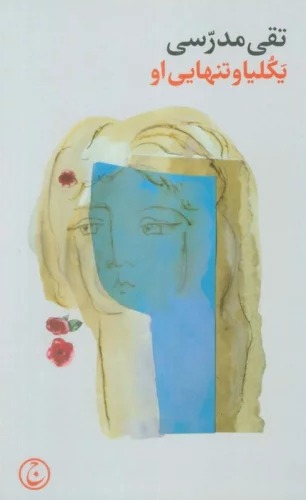
Another notable feature of the collection is the use of mythological and religious elements. Scattered throughout the stories are symbolic references to religious texts, traditions, and mythic vocabulary. For example, the story Yeklia and His Solitude is structured around a narrative from the Old Testament.
more
مجموعه «اتاق عقبی» شامل آثاری است که این نویسنده در سال های ابتدایی فعالیت خود در زمینه داستان نویسی خلق کرده و پس از مرگ او به انتشار رسیده است. مجموعه داستان «اتاق عقبی» شامل هفت داستان است که نام این کتاب براساس یکی از داستان های کوتاه همین مجموعه انتخاب شده است.
هر یک از این داستانهای مجموعه «اتاق عقبی» پیشتر در مجلات ادبی «جنگ اصفهان» و «سخن» منتشر شده بود. داستانهای این مجموعه بیشتر به روابط انسانی، تنهایی، هویت و چالشهای زندگی روزمره میپردازند. این مضامین تقریبا در همه داستانهای این مجموعه تکرار شده اما هیچیک از داستانها فضای مشابهی ندارند. اولین داستان مجموعه، «خورشید از کدام سمت طلوع میکند؟» نام دارد که عشق ممنوعهای را به تصویر میکشد و مهمتر از آن زندگی بردهای را که حتی نمیداند خورشید از کدام سمت طلوع میکند؟
عنوان داستان آخر این مجموعه هم «گمرک چینواد» است که بیشتر در فضایی اداره اتفاق میافتد و ماجرای مردی است که از کار خود استعفا میدهد.
در داستان «اتاق عقبی»، شخصیت خانم ثقفی از همسرش میخواهد از نابودی درخت سیب جلوگیری کند اما فایدهای ندارد. آقای ثقفی نهتنها به فکر درخت سیب نیست، بلکه حتی به خود نیز اهمیت نمیدهد و از پرخوری گرفتار بیماری میشود. او در اتاق عقبی زمینگیر میشود؛ بهطوریکه تغییر هویت میدهد و خانم ثقفی او را از اتاق عقبی صدا میزند؛ مکانی که بیاهمیتترین قسمت خانه است و دیده نمیشود.
از دیگر ویژگیهای این مجموعه میتوان به استفاده از عناصر اسطورهای و دینی اشاره کرد. در داستانها بهطور پراکنده و نمادین از احادیث، اشارات دینی یا واژگان اسطورهای دینی استفاده شده است. به عنوان نمونه در داستان «یکلیا و تنهایی او» موضوع اصلی براساس کتاب عهد عتیق است.
more