

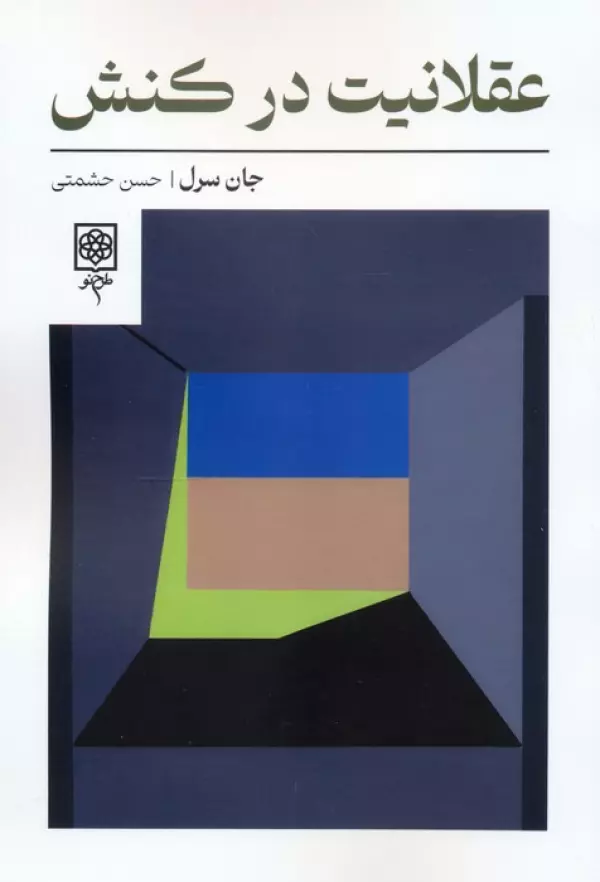
عقلانیت در کنش الفارسية 1447
‘Aqlāniyat dar Konsh
14٫21 $

مشاركة
Wishlist
العنوان الأصلي:
Rationality in Action
ISBN رقم:
9789644891083
المترجم:
Ḥasan Ḥishmatī
الناشر:
Tarh-i naw
الفئة العمرية:
البالغون
الصفحات:
338
الوزن:
450 g
أبعاد المنتج:
14 x 21 x 2 cm
غلاف الكتاب:
غلاف ورقی
Rationality in Action is a foundational work in the philosophy of mind and action, in which John Searle critically examines traditional models of rationality and develops a new and profound framework for understanding human decision-making and agency. Searle argues that dominant models—those that describe rationality merely as a linear combination of beliefs and desires—are insufficient for explaining the complexity of human behavior.
At the center of his analysis is the notion of a “gap” between motives and action. This gap reveals the genuine intricacies of decision-making and opens space for the exercise of free will. According to Searle, individuals can choose and act among multiple—and often conflicting—considerations by drawing on their own deliberation and volition. Throughout the book, he offers a detailed critique of the “classical model” of rationality, which assumes that rational actions are direct outcomes of beliefs and desires and that rationality operates according to fixed rules. Searle demonstrates that such assumptions fail to capture the nuances of human reality.
Another key contribution of the book is Searle’s emphasis on reasons that are independent of desire. He argues that human beings may be motivated by considerations that extend beyond personal wants—such as moral commitments, social norms, or cultural values—factors that play an essential role in rational action. His discussion of weakness of will (akrasia) provides a fresh reinterpretation: rather than treating it as inherently irrational, Searle explains it as a common and intelligible outcome of motivational complexity and the distance between desire and action.
Searle also deepens the concepts of the self and rational deliberation, showing that rational reflection is not merely a mental process but a condition for understanding identity and personal continuity over time.
The implications of Rationality in Action extend widely across moral philosophy, psychology, and cognitive science. By emphasizing the role of the self and the “gap” in rational agency, Searle offers a framework capable of illuminating the complexities of human agency, moral responsibility, and the experience of freedom. His critique of the classical model invites a rethinking of how rationality should be understood both theoretically and practically.
For readers seeking a rigorous and thought-provoking exploration of rationality, free will, and human agency, John Searle’s Rationality in Action is an insightful and intellectually rewarding choice.
more
کتاب "عقلانیت در کنش" اثری بنیادین در فلسفهی ذهن و عمل است که جان سرل در آن با نگاهی نقادانه به مدلهای سنتی عقلانیت میپردازد و چارچوبی تازه و ژرف برای فهم تصمیمگیری و عاملیت انسانی ارایه میدهد. سرل باور دارد که فهم مدلهای رایج عقلانیت که عقلانیت را صرفا ناشی از ترکیب خطی باورها و امیال میدانند، برای توضیح رفتار پیچیدهی انسان ناکافی است.
او مفهوم «شکاف» میان انگیزهها و عمل را مطرح میکند؛ شکافی که نه تنها پیچیدگیهای واقعی تصمیمگیری را آشکار میسازد، بلکه فضایی برای بروز آزادی اراده فراهم میآورد. این شکاف به گونهای است که افراد میتوانند در میان عوامل مختلف و گاه متناقض، بر اساس اراده و تدبیر خود، انتخاب و اقدام کنند. سرل در کتاب، «مدل کلاسیک» عقلانیت را به دقت نقد میکند. این مدل بر این فرض استوار است که اعمال عقلانی فقط نتیجهی مستقیم باورها و خواستهها هستند و عقلانیت تابع قوانین و قواعدی مشخص است. اما سرل نشان میدهد که این فرضها ناتوان از درک ظرایف و دقایق واقعیت انسانیاند. از دیگر نکات برجسته کتاب، توجه سرل به دلایل مستقل از میل است. او معتقد است که انسانها میتوانند با دلایلی فراتر از خواستهها و امیال شخصیشان برانگیخته شوند؛ دلایلی که ریشه در تعهدات اخلاقی، هنجارهای اجتماعی یا ارزشهای فرهنگی دارند و نقشی اساسی در کنشهای عقلانی ایفا میکنند. بحث سرل دربارهی «ضعف اراده» (آکراسیا) نیز بازتعریفی نوین ارایه میدهد. برخلاف دیدگاههای سنتی که ضعف اراده را به مثابه عملی غیرمنطقی و ناسازگار با عقلانیت میدانند، سرل این پدیده را یک واقعیت معمول و قابل فهم میشناسد که از پیچیدگیهای انگیزشی و فاصلهی میان خواستهها و عمل ناشی میشود. نهایتا، سرل مفهوم «خود» و «مشورت عقلانی» را در چارچوب نظریهاش تعمیق میبخشد و نشان میدهد که تدبیر عقلانی نه تنها یک فرآیند ذهنی، بلکه پیشفرضی برای فهم هویت و استمرار فردی در طول زمان است.
کتاب سرل پیامدهای گستردهای در حوزههای فلسفه اخلاق، روانشناسی و علوم شناختی دارد. او با تاکید بر نقش خود و شکاف در کنش عقلانی، چارچوبی ارایه میدهد که میتواند پیچیدگیهای عاملیت انسانی، مسیولیت اخلاقی و تجربه آزادی را روشن سازد. نقد او نسبت به مدل کلاسیک عقلانیت، زمینهساز بازاندیشی در نحوه فهم عقلانیت در حوزههای نظری و عملی است.
اگر به دنبال کتابی هستید که به طور عمیق و مستدل شما را با ابعاد مختلف عقلانیت، اراده آزاد و عاملیت انسانی آشنا کند، "عقلانیت در کنش" جان سرل انتخابی هوشمندانه و تأملبرانگیز است.
more