

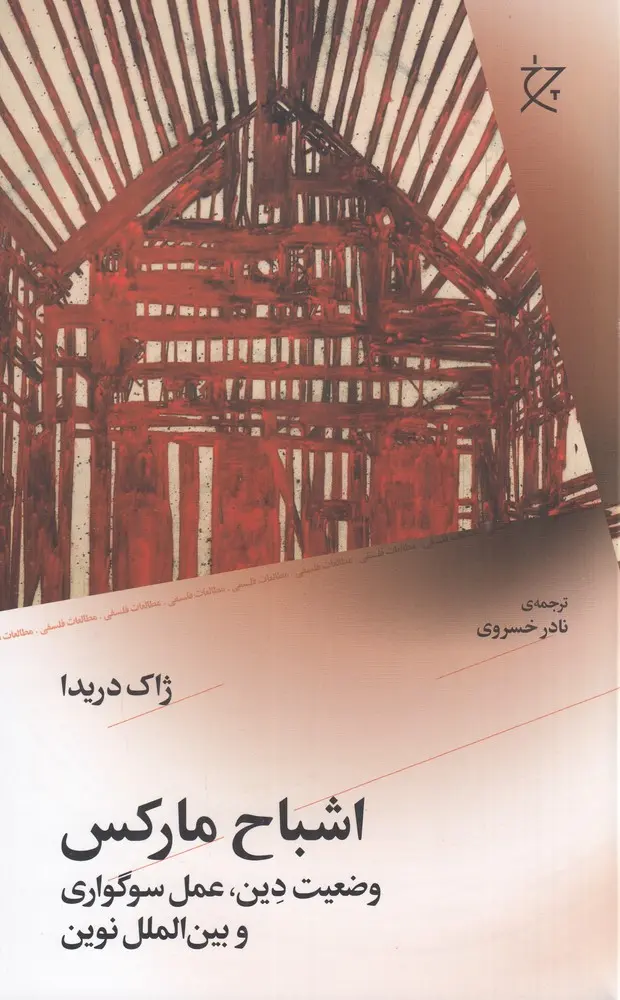
اشباح مارکس: وضعیت دین، عمل سوگواری و بینالملل نوین الفارسية 1447
Ashbāḥ-i MārxWazʿīyat-i Dīn, ʿAmal-i Sūgvarī va Bayn‑al‑Mellal-i Navīn
20٫30 $

مشاركة
Wishlist
العنوان الأصلي:
Specters of Marx
ISBN رقم:
9786225250734
المترجم:
Nādir Khusravī
الناشر:
Charkh
الفئة العمرية:
البالغون
الصفحات:
368
الوزن:
450 g
أبعاد المنتج:
14 x 21 x 2٫2 cm
غلاف الكتاب:
غلاف ورقی
The book “Specters of Marx” by the French philosopher Jacques Derrida, first published in 1993, is one of the most influential and debated works in late twentieth-century political philosophy. Based on Derrida’s lectures at the University of California, Irvine, the book revisits the legacy of Marxism in the post–Cold War world and demonstrates how ideas and historical movements, or “specters,” continue to be active and influential in the present.
In this work, Derrida, employing a deconstructive approach, interrogates Marxist concepts such as class struggle, historical materialism, and justice, and critiques how modern capitalism continues to cast its shadow over global politics, culture, and economy. He presents Marxism not as a closed doctrine but as an ethical and political legacy that requires ongoing engagement, critique, and reinterpretation.
The book focuses on key themes such as the immortality of ideas, moral responsibility toward the future, and the interplay of memory, history, and justice, emphasizing that ignoring lessons from the past risks repeating systemic injustices. The characters in the book are conceptual—Marx himself, capitalism, communism, and the specters of ideology—engaging in a philosophical dialogue that explores political and economic structures while highlighting the necessity of ethical responsibility in the modern world.
“Specters of Marx” received widespread attention and acclaim, recognized both as a major resource in poststructuralist political philosophy and critical theory, while also drawing critiques for its dense and deconstructive style. The work stands as a prominent example of Derrida’s engagement with political and ethical issues, illustrating how philosophy can illuminate pressing social and historical concerns.
more
کتاب «اشباح مارکس» نوشتهی فیلسوف فرانسوی ژاک دریدا، منتشرشده برای اولین بار در سال 1993، یکی از آثار برجسته و بحثبرانگیز فلسفه سیاسی اواخر قرن بیستم است. این کتاب بر اساس سخنرانیهای دریدا در دانشگاه کالیفرنیا، ایروین شکل گرفته و به بازخوانی میراث مارکسیسم در جهان پس از جنگ سرد میپردازد و نشان میدهد که چگونه ایدهها و جنبشهای تاریخی، یا همان «اشباح»، هنوز در زمان حال فعال و موثر هستند.
در این اثر، دریدا با رویکرد ساختارشکنانه، مفاهیم مارکسیستی مانند مبارزه طبقاتی، ماتریالیسم تاریخی و عدالت را مورد پرسش قرار میدهد و نقد میکند که چگونه سرمایهداری مدرن هنوز بر سیاست، فرهنگ و اقتصاد جهانی سایه میاندازد. او مارکسیسم را نه به عنوان دکترین بسته، بلکه به عنوان یک میراث اخلاقی و سیاسی میبیند که نیازمند تعامل، نقد و بازآفرینی است.
کتاب بر مضامین کلیدی مانند نامیرایی ایدهها، مسیولیت اخلاقی در قبال آینده، و تعامل حافظه، تاریخ و عدالت تمرکز دارد و نشان میدهد که نادیده گرفتن درسهای گذشته میتواند منجر به تکرار بیعدالتیهای سیستماتیک شود. شخصیتهای کتاب مفهومی هستند؛ مانند خود مارکس، سرمایهداری، کمونیسم و اشباح ایدیولوژی، که در یک گفتوگوی فلسفی با یکدیگر درگیر میشوند.
«اشباح مارکس» با استقبال گسترده مواجه شد و هم به عنوان منبع مهم فلسفه سیاسی پساساختارگرا و نظریه انتقادی شناخته شد و هم نقدهایی به سبک متراکم و ساختارشکنانه آن وارد شد. این اثر نمونهای برجسته از تعامل دریدا با مسایل سیاسی و اخلاقی است و نشان میدهد که چگونه فلسفه میتواند دغدغههای اجتماعی و تاریخی معاصر را روشن کند.
more