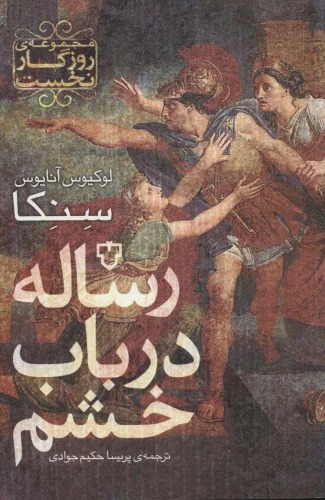


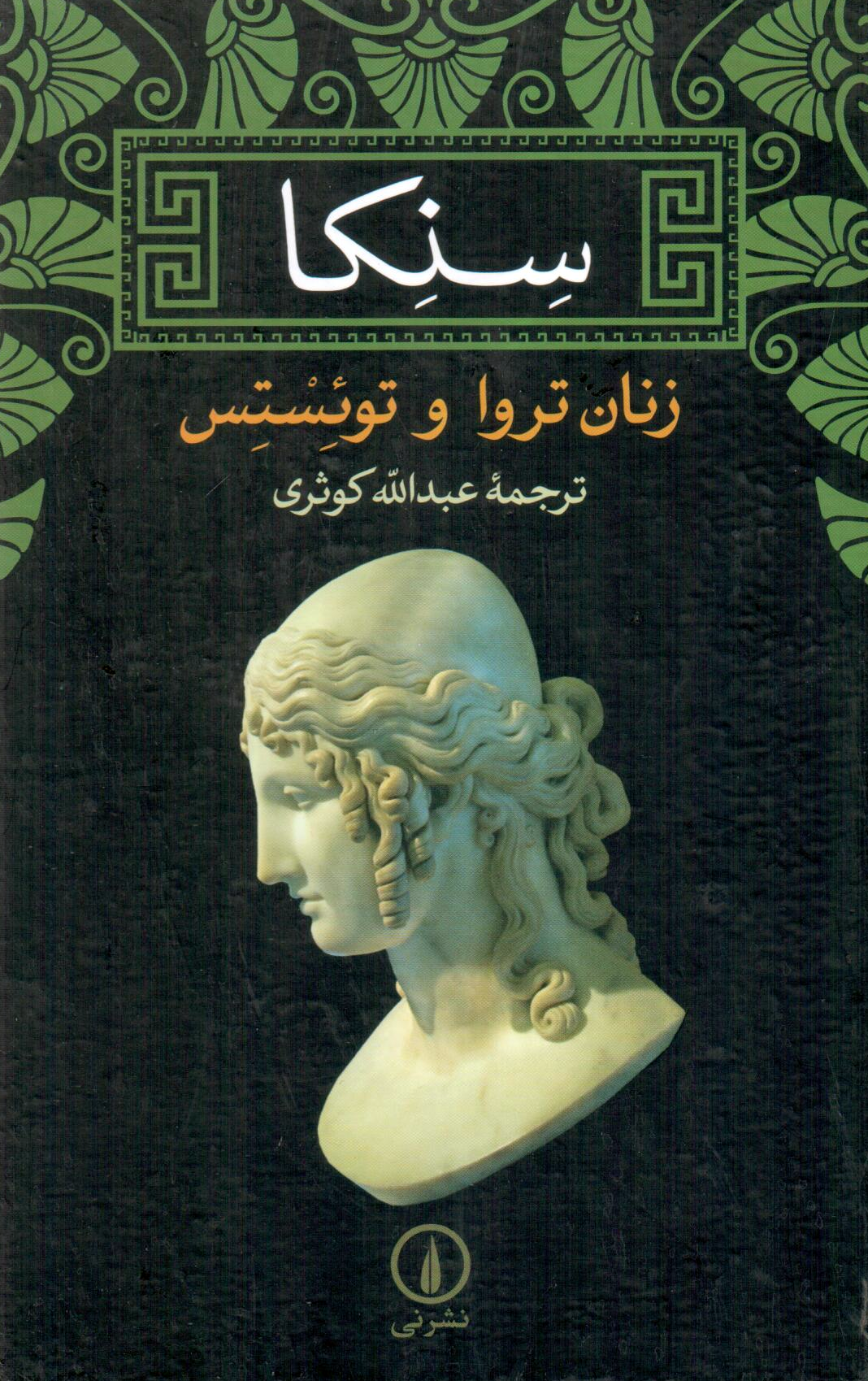
سنکا الفارسية 1443
Sīnkā
17٫83 $

مشاركة
Wishlist
ISBN رقم:
9789641852209
المترجم:
'Abullāh Kusārī
الناشر:
Nay
الفئة العمرية:
البالغون
الصفحات:
200
الوزن:
352 g
أبعاد المنتج:
14 x 21 x 1٫4 cm
غلاف الكتاب:
کتب کرتونیه للأطفال
Lucius Annaeus Seneca the Younger (c. 4 BC – 65 AD),[1] usually known as Seneca, was a Roman Stoic philosopher, statesman, dramatist, and, in one work, satirist, from the post-Augustan age of Latin literature.
Seneca was born in Córdoba in Hispania, and raised in Rome, where he was trained in rhetoric and philosophy. His father was Seneca the Elder, his elder brother was Lucius Junius Gallio Annaeanus, and his nephew was the poet Lucan. In AD 41, Seneca was exiled to the island of Corsica under emperor Claudius, but was allowed to return in 49 to become a tutor to Nero. When Nero became emperor in 54, Seneca became his advisor and, together with the praetorian prefect Sextus Afranius Burrus, provided competent government for the first five years of Nero's reign. Seneca's influence over Nero declined with time, and in 65 Seneca was forced to take his own life for alleged complicity in the Pisonian conspiracy to assassinate Nero, in which he was likely to have been innocent. His stoic and calm suicide has become the subject of numerous paintings.
As a writer, Seneca is known for his philosophical works, and for his plays, which are all tragedies. His prose works include a dozen essays and one hundred twenty-four letters dealing with moral issues. These writings constitute one of the most important bodies of primary material for ancient Stoicism. As a tragedian, he is best known for plays such as his Medea, Thyestes, and Phaedra. Seneca's influence on later generations is immense—during the Renaissance he was "a sage admired and venerated as an oracle of moral, even of Christian edification; a master of literary style and a model [for] dramatic art
more
لوکیوس آنائیوس سنکا (4 قبل از میلاد ـ 65 بعد از میلاد) در مقام خطیب و فیلسوف رواقی چنانکه بایست شناخته شده است. اما سنکا از بزرگ ترین نمایشنامهنویسان رم باستان نیز بوده است و آثار او هم بهسبب کیفیت و هم بهسبب جایگاهی که در تاریخ تراژدی غرب دارد، شایان توجه بیشتر است. سنکا مضمون نمایشنامههای خود را از اساطیر یونان وام گرفته و همهٔ نمایشنامههای او، غیر از توئستس، داستانهایی را باز میگوید که قبلاً در آثار آیسخولوس و سوفوکلس و ائوریپیدس خواندهایم. اما سنکا در میان این سه تن به ائوریپیدس بیشتر توجه داشت و اغلب تراژدیهایش برگرفته از آثار ائوریپیدس است. سنکا تراژدی یونانی را بر روی زمین آورد و به شخصیتهایش چهرهای کاملاً انسانی بخشید و شعری باشکوه و شیوا را در روایت این غمنامههای ماندگار انسانی بهکار گرفت. مضمون آثار او بیش از هر چیز عشق و نفرت و انتقام است و در توصیف صحنههای هولآور بسی بیپرواتر از یونانیان عمل میکند. در اهمیت تأثیر سنکا بر نمایشنامهنویسان عهد رنسانس و بعد از رنسانس تردید روا نیست. او الهامبخش نمایشنامهنویسان عهد الیزابت بود و بدینسان پیوندی میان دو دورهٔ مهم تراژدی و نمایشنامهنویسی در غرب برقرار کرد و از این روی چهرهای ماندگار در تاریخ این هنر به شمار میرود
more