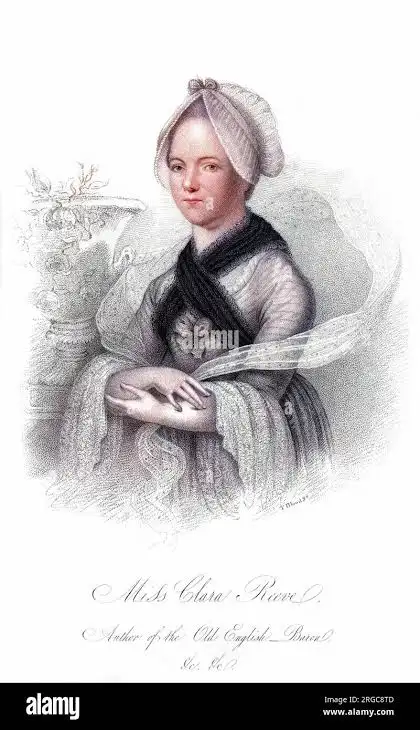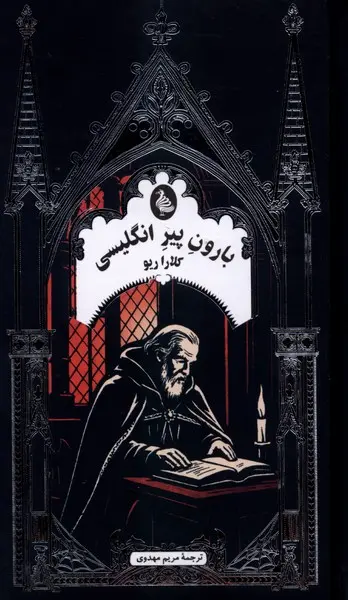


Clara Reeve
کلارا ریو
Clara Reeve (1729–1807) was an English writer and one of the important figures in the development of Gothic literature in the eighteenth century. She is best known for her novel The Old English Baron, published in 1778, which is regarded as one of the early works that helped establish the Gothic novel as a literary genre. Written as a response to Horace Walpole’s The Castle of Otranto, the novel sought to combine elements of horror and the supernatural with greater narrative logic and plausibility.
Reeve was born in Ipswich, England, into a cultured and intellectually minded family. Her father, Reverend William Reeve, introduced her from an early age to history, classical literature, political discussions, and the works of major writers. Unlike many women of her time, she learned Latin, and her first published work was a translation of John Barclay’s Argenis, which appeared under the title The Phoenix in 1772.
Throughout her literary career, Clara Reeve published more than twenty-four volumes, including novels, literary studies, and educational works. Her book The Progress of Romance, published in 1785, is considered one of the earliest serious histories of the novel and one of the first works of literary criticism written by a woman.
Reeve’s greatest significance in literary history lies in her contribution to the evolution of Gothic fiction. Unlike Walpole, whose work often embraced extravagant and irrational supernatural elements, Reeve attempted to present horror within a more credible and realistic framework. In The Old English Baron, ghosts, family secrets, lost inheritances, and hidden histories serve the larger purpose of uncovering truth and restoring justice.
Clara Reeve’s works later influenced major writers such as Mary Shelley and contributed to the development of Gothic literature. She was also among the earliest women to independently pursue a professional writing career and manage the publication of her own works. Today, Reeve is recognized not only as the author of a classic Gothic novel but also as a pioneer in literary history and women’s writing during the eighteenth century.
کلارا ریو (1729–1807) نویسندهی انگلیسی و یکی از چهرههای مهم در شکلگیری ادبیات گوتیک در قرن هجدهم بود. او بیش از همه با رمان «بارون پیر انگلیسی» (The Old English Baron) شناخته میشود؛ اثری که در سال 1778 منتشر شد و از نخستین نمونههای تثبیتکنندهی رمان گوتیک به شمار میآید. این رمان در پاسخ به «قلعه اوترانتو» اثر هوراس والپول نوشته شد و تلاش کرد عناصر وحشت و ماوراء طبیعی را با منطق روایی و باورپذیری بیشتری ترکیب کند.
ریو در ایپسویچ انگلستان، در خانوادهای فرهنگی و اهل مطالعه متولد شد. پدرش، کشیش ویلیام ریو، او را از کودکی با تاریخ، ادبیات کلاسیک، مباحث سیاسی و آثار نویسندگان بزرگ آشنا کرد. او برخلاف بسیاری از زنان همعصر خود، زبان لاتین آموخت و نخستین اثرش ترجمهای از کتاب «آرژنیس» نوشتهی جان بارکلی بود که با عنوان «ققنوس» در سال 1772 منتشر شد.
کلارا ریو در طول دوران نویسندگی خود بیش از 24 جلد اثر منتشر کرد که شامل رمان، پژوهش ادبی و آثار آموزشی بود. کتاب «پیشرفت رمان» (The Progress of Romance) که در سال 1785 منتشر شد، یکی از نخستین تاریخهای جدی رمان و پژوهشهای ادبی نوشتهشده توسط یک زن محسوب میشود.
اهمیت اصلی ریو در تاریخ ادبیات، نقش او در تکامل ژانر گوتیک است. او برخلاف والپول که گاهی عناصر عجیب و غیرمنطقی را به کار میبرد، تلاش کرد وحشت را در چارچوبی باورپذیرتر ارایه کند. در «بارون پیر انگلیسی»، ارواح، رازهای خانوادگی، میراث ازدسترفته و گذشتهی پنهان در خدمت کشف حقیقت و بازگرداندن عدالت قرار میگیرند.
آثار کلارا ریو بعدها بر نویسندگان بزرگی مانند مری شلی تأثیر گذاشتند و به شکلگیری مسیر ادبیات گوتیک کمک کردند. او همچنین از نخستین زنانی بود که بهصورت مستقل مسیر حرفهای نویسندگی و انتشار آثارش را مدیریت کرد. امروز ریو نه فقط بهعنوان نویسندهی یک رمان گوتیک کلاسیک، بلکه بهعنوان یکی از پیشگامان تاریخنگاری ادبی و ادبیات زنان در قرن هجدهم شناخته میشود.